September Pet Wellness: Fall Health Tips for Cats and Dogs
September Pet Wellness: Fall Health Tips for Cats and Dogs
As the leaves start to turn and cooler temperatures arrive in Western Kentucky, September brings a fresh set of health considerations for your beloved cats and dogs. While fall is a beautiful season, it also marks a transition that can affect your pet’s well-being, from seasonal allergies to changes in activity levels and new risks both indoors and out. At Trigg County Veterinary Clinic, located at 81 Roger Thomas Road, Cadiz, KY 42211, our team of veterinarians is committed to keeping your pets happy and healthy through every season. This guide will help you prepare for the autumn months with essential wellness tips tailored for the unique needs of both cats and dogs in our region.
In this blog, we will cover how to recognize seasonal health issues in your pets, the reasons behind common fall problems, professional treatment options available at our clinic, proactive steps you can take at home, and when it’s time to schedule an appointment for a comprehensive checkup. Whether you are concerned about your dog’s itchy skin or your cat’s changing appetite, our goal is to provide practical advice and compassionate care for your pets throughout Cadiz and surrounding communities. For those looking to stay ahead of seasonal changes, a wellness examination this September is the perfect way to set your pet up for a healthy fall.
Recognizing Fall Health Issues in Cats and Dogs
September may feel like a gentle shift in weather, but your pets can display subtle signs that their health needs are changing. Key symptoms to watch for as autumn arrives include increased scratching, licking, or biting—often indicators of seasonal allergies. You might also notice dry, flaky skin or a dull coat, which can result from reduced humidity and more time spent indoors. Dogs may begin to shed their summer coat in preparation for winter, which can sometimes lead to more hair around the house and potential matting if not managed properly.
Other common fall concerns are changes in behavior or activity levels. If your cat starts hiding more or your dog seems less interested in walks, this could be due to cooler weather or an early sign that something isn’t quite right. Gastrointestinal upsets can also occur as pets get into leaf piles or ingest outdoor debris. Additionally, some pets may experience joint stiffness as temperatures drop, especially if they are older or have underlying mobility issues. Paying close attention to these subtle signs allows you to address any health changes before they become more serious.
Why Seasonal Changes Affect Your Pet’s Health
Understanding why your cat or dog experiences these autumn shifts starts with recognizing how the environment impacts their bodies. As temperatures cool, pets often spend more time indoors, which can lead to exposure to dust mites, mold spores, and other household allergens. Outside, fall brings about a new wave of pollen and decaying plant materials that can trigger allergic reactions or skin irritation. Dogs that enjoy long walks through wooded areas or leaf piles may also pick up external parasites or develop skin reactions from contact with certain plants.
Humidity levels in Western Kentucky typically drop in September, which contributes to dry air in your home. This dryness can affect your pet’s skin and coat, leading to flakiness, itchiness, and increased shedding. Changes in daylight hours and temperature may also influence your pet’s activity patterns and metabolism. Older pets, or those with arthritis, might feel joint discomfort more acutely as the weather cools. Additionally, the transition from summer to fall can disrupt your pet’s regular routines, potentially causing stress and minor behavioral changes.
Professional Fall Wellness and Treatment Options
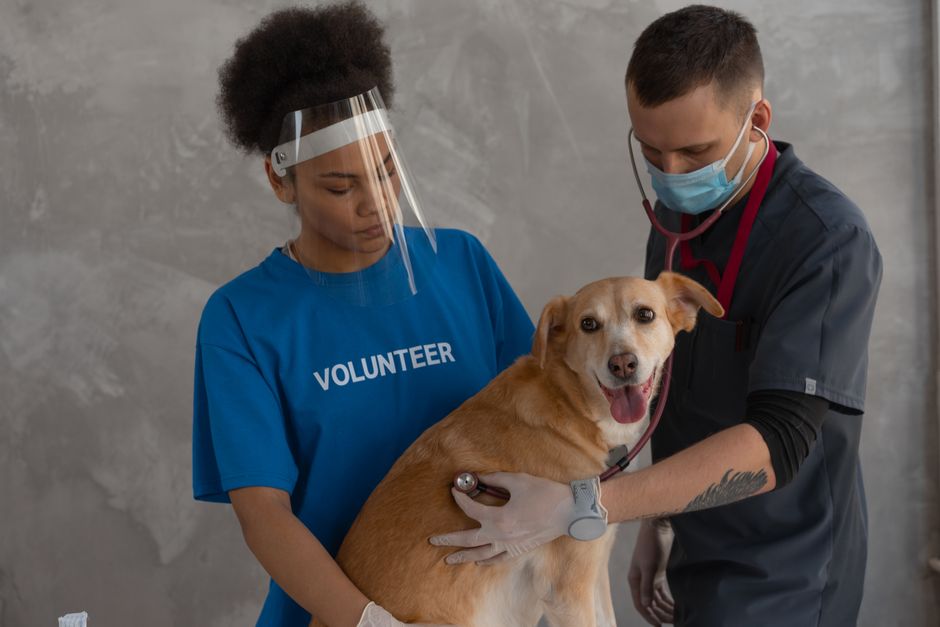
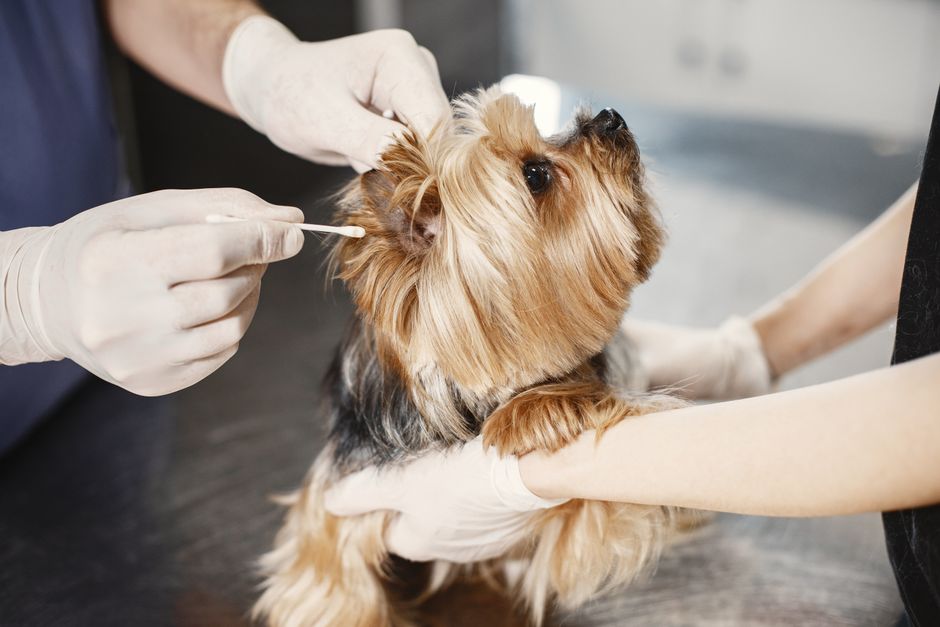
At Trigg County Veterinary Clinic, our team of veterinary professionals offers a full range of services to help your pet thrive during the autumn months. A proactive wellness examination is the cornerstone of fall health, allowing us to detect early signs of seasonal allergies, skin conditions, or underlying health issues. During your pet’s visit, we conduct a thorough physical exam, assess their skin and coat, check for parasites, and review any behavioral or appetite changes you have noticed.
If your cat or dog is showing signs of itching, hair loss, or skin irritation, our dermatology services can provide targeted relief. Treatment approaches may involve medicated shampoos, topical therapies, or prescription medications to soothe inflammation and control itching. For pets with suspected environmental or food allergies, allergy testing helps us pinpoint the cause and develop a personalized management plan. Our diagnostic lab allows for quick and accurate assessment of skin scrapings, bloodwork, and other samples to guide appropriate care.
Preventive care is especially vital in the fall. We recommend keeping your pet’s vaccinations up to date, as certain diseases remain a risk year-round. Our team can also advise on parasite prevention, as ticks and fleas can remain active well into the autumn months. For senior pets or those with mobility challenges, we offer advice on joint support supplements and pain management strategies to keep them comfortable as the weather cools.
Proactive Home Care for a Healthy Autumn
Supporting your pet’s health at home is an important part of fall wellness. One effective step is to maintain a regular grooming routine; brushing your dog or cat frequently will help remove loose fur, distribute natural oils, and prevent matting. For pets prone to dry skin, consider using a humidifier in your home to add moisture to the air, which can provide relief from itchiness and flakiness.
Nutrition plays a crucial role in skin and coat health. Make sure your pet is eating a high-quality, balanced diet appropriate for their age and activity level. If you’re unsure whether your pet’s food is meeting their needs, our veterinarians can recommend dietary adjustments or supplements. Keep your pet’s bedding clean and free of dust, and be mindful of household cleaning products that may contain chemicals irritating to sensitive skin.
Outdoor walks remain essential for exercise and mental stimulation, but check your pet’s coat and paws after outings, especially if they have been in wooded areas or leaf piles. Removing debris, burrs, or ticks right away reduces the risk of skin problems and parasite transmission. For cats who go outdoors, keep an eye on how much time they spend outside as temperatures drop, and consider bringing them indoors during chilly or damp weather.
When to Schedule a Veterinary Visit
Recognizing when your pet needs professional attention is key to preventing minor problems from becoming major concerns. You should schedule an appointment at Trigg County Veterinary Clinic if your cat or dog develops persistent itching, visible skin lesions, or hair loss that does not improve with basic home care. Other signs that warrant a veterinary visit are ongoing gastrointestinal upset, sudden changes in appetite or behavior, unexplained weight loss, or increased discomfort in older pets with arthritis.
If your pet has not had a recent wellness examination, fall is an ideal time to book one. Regular checkups help ensure that vaccinations, parasite prevention, and nutrition are on track for the coming months. Our veterinarians can also provide guidance on seasonal hazards unique to Western Kentucky, such as exposure to mushrooms or certain plants that appear in the autumn. Should your pet experience sudden illness or injury, our urgent care services are available during business hours for prompt attention.
Always remember that early intervention leads to better outcomes. If you’re ever unsure whether your pet’s symptoms require a veterinary visit, our team is just a phone call away and happy to offer advice or schedule a consultation.
Keeping Your Pet Healthy This Fall: Our Commitment to You
At Trigg County Veterinary Clinic, we understand that your cat or dog is an important part of your family, and we are here to support their health through every season. September is a perfect time to give your pet the benefit of preventive care and address any emerging issues before they impact their quality of life. By staying alert to changes in your pet’s skin, coat, behavior, and overall well-being, you can help them enjoy a comfortable and active autumn.
If you are searching for a trusted "vet near me" in Cadiz or surrounding communities, our team of veterinarians is ready to help. To schedule your pet’s fall wellness examination, discuss concerns about allergies or skin health, or learn more about our comprehensive pet exam services, reach out to us at (270) 522-3404. You can also visit us at 81 Roger Thomas Road, Cadiz, KY 42211 for personalized care. Our veterinary professionals are dedicated to helping your pets stay happy, healthy, and ready to enjoy the beauty of fall in Western Kentucky.
This blog is intended for informational purposes and does not replace professional veterinary advice. Always consult your veterinarian for specific concerns about your pet’s health.