How to Prevent Ear Infections in Dogs: Vet Tips
How to Prevent Ear Infections in Dogs: Vet Tips
If you have ever seen your dog shake their head persistently or scratch at their ears, you know how uncomfortable ear problems can be for our four-legged companions. Ear infections are among the most common reasons dogs visit the veterinarian, especially during the humid fall months here in Cadiz and the surrounding communities. Understanding how to prevent ear infections in dogs is key to keeping your pet comfortable, happy, and healthy all year long. At Trigg County Veterinary Clinic, located at 81 Roger Thomas Road, Cadiz, KY 42211, our veterinary team sees a wide range of ear health concerns and is here to help you protect your dog from this common nuisance. In this blog, you’ll learn how to recognize the early signs of ear infections, what causes them, the best ways to treat and manage ear problems, and—most importantly—practical steps you can take at home to prevent them. We’ll also cover when it’s time to schedule an appointment for professional care, so you’ll never have to wonder if your dog needs a veterinarian’s help.
Recognizing the Signs of Ear Infections in Dogs
Ear infections in dogs can develop quickly, and catching them early can make a significant difference in how your pet feels and recovers. Key symptoms of an ear infection include head shaking, frequent scratching at one or both ears, and redness or swelling inside the ear flap. You may also notice a foul odor coming from your dog’s ears, discharge that can range from yellow to brown or even black, and increased sensitivity when the area around the ear is touched. Some dogs may tilt their heads to one side or seem off balance, especially if the infection has progressed deeper into the ear canal. If your dog suddenly seems more irritable or less interested in play and is showing any of these signs, it is wise to check their ears and consider reaching out to your veterinarian for guidance.
What Causes Ear Infections in Dogs?
Dogs’ ears are uniquely structured; the ear canal is long, with an L-shaped bend that can trap moisture and debris. This shape makes it easy for bacteria and yeast to thrive, particularly if your dog has floppy ears, hairy ear canals, or a love for swimming. Allergies play a major role in many canine ear infections, as allergic inflammation can increase wax production and create the perfect environment for infection. Other causes include ear mites, trapped foreign objects like grass seeds, or underlying skin conditions. Some breeds, such as Cocker Spaniels, Golden Retrievers, and Poodles, are more susceptible to repeated ear issues due to their genetics. Additionally, environmental factors in Western Kentucky, such as high humidity and pollen, can increase the risk for dogs in this region. When a dog’s ears are not cleaned regularly or excess moisture is not dried after baths or swims, the likelihood of infection rises. Understanding these causes is the first step in learning how to prevent ear infections in dogs.
How Are Canine Ear Infections Treated?
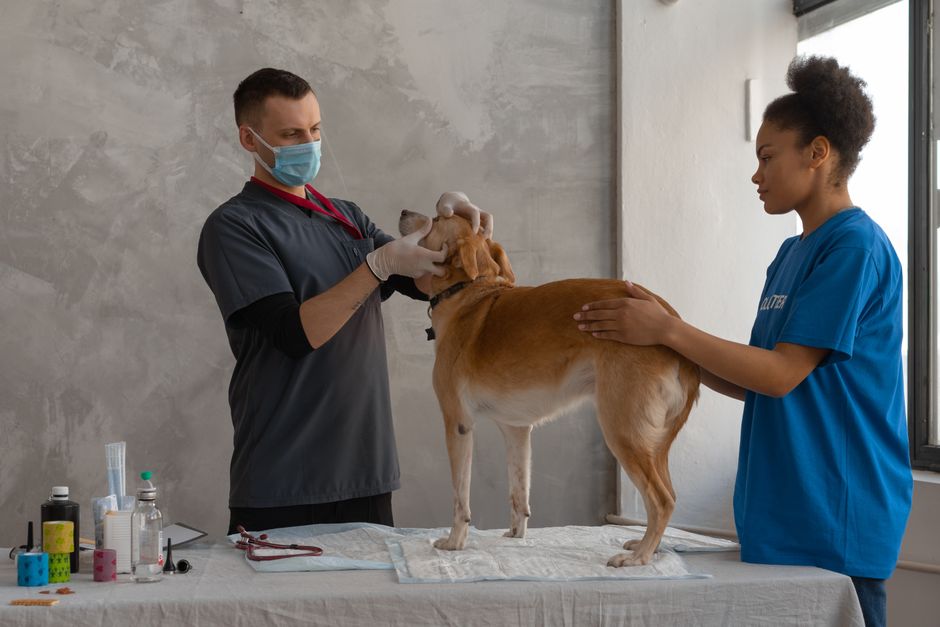
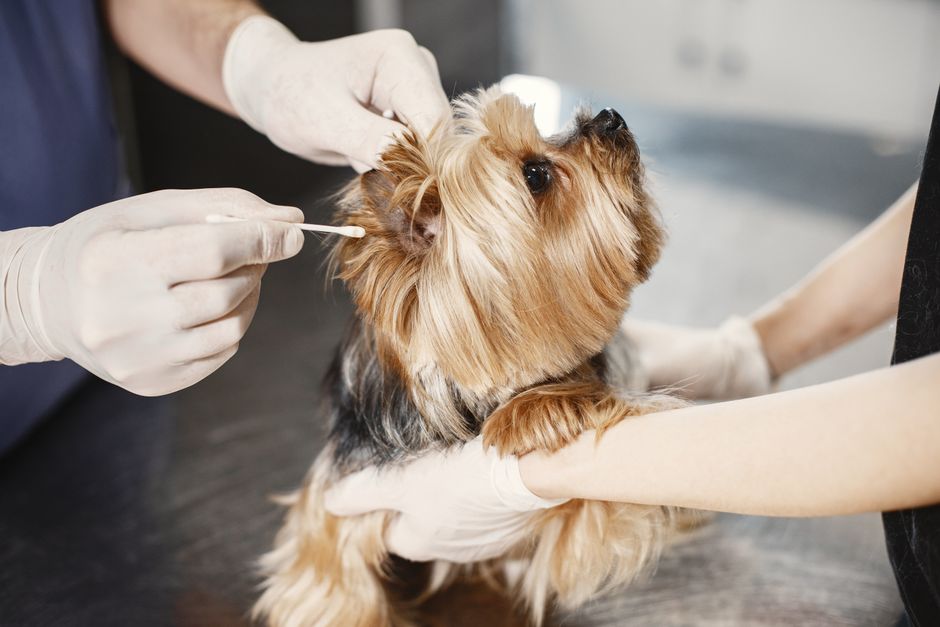
When your dog arrives at Trigg County Veterinary Clinic with signs of an ear infection, our veterinarians will begin with a thorough examination of your dog’s ears, often using an otoscope to look deep into the canal. Diagnostic tests may include cytology, where a sample of ear debris is analyzed under a microscope, to determine whether bacteria, yeast, or mites are present. Depending on the findings, treatment approaches involve prescription ear drops containing antibiotics, antifungals, or anti-inflammatories. In more severe cases, oral medications may be needed to address pain and reduce swelling. If the infection is caused by allergies, our team may recommend allergy testing services to identify triggers and create a long-term management plan. For pets with chronic or recurring issues, our veterinary dermatology services can provide specialized care to address underlying skin and ear problems. It’s important to follow all treatment instructions carefully and complete the full course of any prescribed medication, even if your dog seems better before the medication runs out.
How to Prevent Ear Infections in Dogs at Home
Prevention is always easier—and more comfortable for your dog—than treatment. To help prevent ear infections in dogs, focus on routine ear care and healthy habits. Regularly check your dog’s ears for dirt, wax buildup, or signs of redness and swelling. Clean your dog’s ears only with products recommended by your veterinarian, as some over-the-counter solutions can irritate sensitive ear tissue. After your dog swims, takes a bath, or gets caught out in a rainstorm, be sure to gently dry the inside of their ears with a soft, absorbent cloth. For dogs with long or floppy ears, lifting the ear flaps to allow air circulation can make a big difference in keeping the canal dry and healthy. If your dog is prone to allergies or has a history of skin problems, scheduling a wellness examination at regular intervals ensures any early warning signs are caught before they develop into full-blown infections. Feeding a balanced diet and addressing any underlying health issues with your veterinarian will also help keep your dog’s immune system strong and better able to resist infections.
When Should You Seek Veterinary Care for Your Dog’s Ears?
Sometimes, even with the best preventive care, ear infections can still occur. If you notice your dog shaking their head constantly, scratching at their ears until they bleed, or if you see thick discharge and swelling, it’s time to schedule an appointment with your veterinarian. Additionally, if your dog is in visible pain, has a strong odor coming from their ears, or if over-the-counter ear cleaning does not resolve mild symptoms within a couple of days, you should reach out for professional guidance. Delaying care can lead to complications such as chronic pain, hearing loss, or deeper infections that are much more difficult to treat. Our team at Trigg County Veterinary Clinic is experienced in diagnosing and managing both routine and complicated ear infections and can help determine if your dog needs more advanced dermatology services or allergy testing. Remember, ear infections are not only uncomfortable for your dog but can also impact their overall wellbeing and happiness.
Keeping Your Dog’s Ears Healthy: The Local Difference
Living in Cadiz and Western Kentucky brings unique challenges for dog owners, from seasonal humidity to allergy-inducing plants that can make ear health an ongoing concern. By being proactive and understanding how to prevent ear infections in dogs, you can help your pet avoid unnecessary discomfort and repeated trips to the vet. Our veterinarians at Trigg County Veterinary Clinic are dedicated to providing compassionate, expert care for your dog’s ears—whether you need advice on cleaning routines, treatment for an active infection, or long-term allergy management. We encourage you to reach out with any questions or to schedule a visit if you notice anything unusual about your dog’s ears.
If you’re searching for a trusted vet near me with experience in ear health and preventive care, our team at 81 Roger Thomas Road, Cadiz, KY 42211 is here to help. Give us a call at (270) 522-3404 to schedule an appointment or learn more about keeping your dog’s ears healthy. With regular checkups, a little extra attention at home, and support from your local veterinary professionals, you can make ear infections a thing of the past for your beloved companion.
This blog is intended for informational purposes and should not replace professional veterinary care. If you are concerned about your dog's health or ear condition, please consult your veterinarian for personalized advice.