Summer Hoof Care Tips for Healthy Western Kentucky Livestock
Summer Hoof Care Tips for Healthy Western Kentucky Livestock
Every Western Kentucky producer knows that summer brings its own set of challenges for livestock health. Among the most persistent issues are hoof problems, which can escalate quickly during hot, humid months. Whether you’re managing cattle, sheep, or goats, keeping your herd’s hooves healthy through July and August is key to maintaining productivity and animal comfort. At Trigg County Veterinary Clinic, located at 81 Roger Thomas Road, Cadiz, KY 42211, our mixed animal veterinary team works closely with producers in Cadiz and surrounding communities to prevent lameness and manage seasonal hoof concerns before they impact herd performance. In this guide, we’ll cover the common summer hoof threats in Western Kentucky, signs that your animals may be struggling, practical prevention strategies, and when it’s time to call for professional veterinary care.
Recognizing Summer Hoof Problems in Livestock
Identifying hoof issues early is essential for preventing long-term damage and losses. During summer, producers should be vigilant for signs of lameness, discomfort, or infection in cattle, sheep, and goats. Common symptoms include animals favoring one limb, reduced grazing time, reluctance to walk, and visible swelling or heat in the lower leg or hoof. In some cases, you might notice a foul odor coming from the hoof, dark discharge at the sole, or cracks and uneven hoof growth. Sheep and goats may spend more time lying down, while cattle might lag behind the herd or show decreased milk or weight gains. These subtle changes are often the first indicators of hoof trouble, and they demand prompt attention to prevent escalation.
Why Summer Hoof Issues Arise in Western Kentucky
Western Kentucky’s hot, humid climate creates the perfect storm for hoof problems. Prolonged wet conditions can soften hooves, especially in low-lying pastures or areas with poor drainage, leading to increased risk of sole ulcers, white line disease, and foot rot. Alternating periods of heavy rain and dry spells can also cause hooves to expand and contract, resulting in cracks that provide entry points for bacteria. High temperatures and humidity favor the growth of organisms that cause thrush and other infections, particularly in areas with high manure buildup. Producers grazing livestock on lush summer pastures may notice that rapid hoof growth, combined with soft footing, leads to overgrown hooves and abnormal wear patterns. In sheep and goats, compacted bedding and infrequent hoof trimming can exacerbate these issues, making routine monitoring even more important during the summer months.
Managing and Treating Hoof Problems: What to Expect from Your Veterinary Team
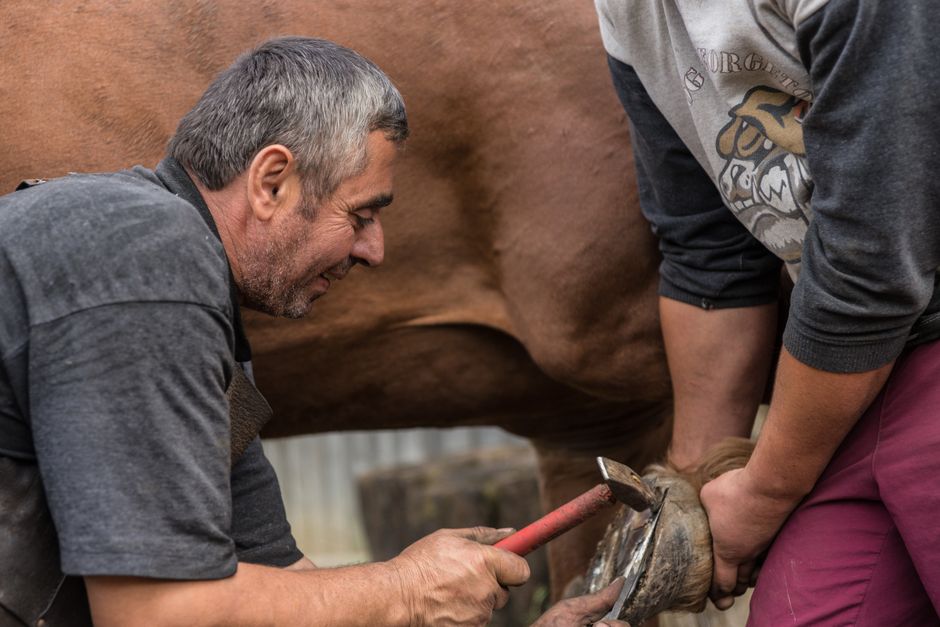
When hoof problems arise, timely intervention is critical. At Trigg County Veterinary Clinic, our veterinarians offer on-farm evaluations to diagnose the cause and severity of hoof issues. Treatment approaches depend on the specific condition; for example, mild cases of thrush or foot scald may be managed with topical antiseptics and improved hygiene, while advanced foot rot or sole ulcers could require more intensive care, such as hoof trimming, systemic antibiotics, or wound management. In cattle, corrective trimming and removal of affected tissue are often necessary to restore normal hoof shape and function. Our veterinary team may recommend changes in pasture rotation, bedding management, or nutritional support to promote healing and prevent recurrence. For ongoing lameness, advanced diagnostics such as radiographs or laboratory testing can help identify underlying conditions. Throughout treatment, our goal is to minimize animal stress and downtime, ensuring your operation remains productive through peak summer demands.
Preventing Hoof Issues: Practical Steps for Producers
Prevention is always better than cure, especially when it comes to hoof health in livestock. Producers can make a significant impact by maintaining dry, well-drained pastures and minimizing standing water in high-traffic areas. Regularly cleaning and re-bedding barns and loafing sheds helps reduce moisture and manure buildup, both of which contribute to infectious hoof diseases. Scheduling routine hoof trimming is important for all livestock, as overgrown hooves are more prone to splitting, cracks, and abnormal wear. Observing animals daily for early signs of lameness allows for rapid intervention before issues escalate. For sheep and goats, providing elevated resting areas and rotating pastures can limit exposure to wet ground and parasites. In cattle herds, footbaths or topical treatments may be advised during periods of high risk. Ensuring proper nutrition, including adequate minerals for hoof health, supports strong, resilient hooves that are less susceptible to disease. These preventive measures, combined with partnership from your local veterinary professionals, provide the best defense against costly summer hoof problems.
When to Seek Veterinary Care for Hoof Problems
Some hoof issues can be managed with diligent on-farm care, but others require prompt veterinary attention to prevent long-term lameness or loss. Producers should contact a veterinarian if animals show persistent lameness, swelling that does not resolve, or wounds that fail to heal within a few days. Rapidly spreading infections, sudden onset of severe pain, or involvement of multiple animals suggest a need for immediate intervention. Additionally, recurring hoof problems despite good management practices may indicate underlying health or environmental concerns that require professional evaluation. Our team at Trigg County Veterinary Clinic is equipped to provide thorough assessments and customized treatment plans tailored to your operation’s specific needs. If you are ever in doubt about the severity of a hoof problem, prompt consultation with your veterinarian is always the safest course of action.
Partnering with Your Local Mixed Animal Veterinarians
Maintaining healthy hooves during Kentucky’s challenging summer months is a team effort. By working with our mixed animal veterinary professionals at Trigg County Veterinary Clinic, producers gain access to the expertise and support needed for both prevention and treatment of hoof issues. Our veterinary team is committed to helping you keep your cattle, sheep, and goats on firm footing throughout the season, protecting both animal welfare and your bottom line. If you have questions about hoof care, need a routine herd evaluation, or are concerned about specific lameness cases, we encourage you to schedule an appointment at our Cadiz location. For more information about preventive care programs or to discuss urgent concerns, call our veterinary team at (270) 522-3404.
When searching for a veterinarian near me who understands the unique challenges faced by Western Kentucky producers, trust Trigg County Veterinary Clinic for reliable, comprehensive livestock care. Our veterinarians are here to support your operation with practical advice, on-farm services, and a commitment to animal health that goes beyond the summer months. For additional information on our full range of veterinary services, visit our website or reach out to discuss how we can help keep your herd healthy all year long.
This blog is for informational purposes only and is not a substitute for professional veterinary advice. Always consult your veterinarian for specific recommendations and care tailored to your animals and operation.