What to Expect at a Vet Appointment for Dogs With Skin Allergies

What to Expect at a Vet Appointment for Dogs With Skin Allergies
If your dog has been scratching, licking, or losing hair, you are not alone—skin allergies are one of the most common reasons pet owners schedule veterinary visits. At Trigg County Veterinary Clinic in Cadiz, KY, our team of veterinarians understands how frustrating and uncomfortable these symptoms can be for both dogs and their families. Whether your dog is dealing with mild itching or more severe skin problems, knowing what to expect at a dog with skin allergies vet appointment can help you feel prepared and confident about your next steps. In this blog, we will walk you through the typical process, from the first signs of an issue to diagnosis, treatment, and ongoing management. Our goal is to help you better understand your dog’s needs and ensure you know how our veterinary professionals can support you right here at 81 Roger Thomas Road, Cadiz, KY 42211.
Recognizing the Signs: When Is It Time for a Dog With Skin Allergies Vet Appointment?
Many pet owners notice their dog scratching or licking from time to time, especially during certain seasons. However, persistent or intense symptoms may point to an underlying skin allergy. Key signs that it may be time to schedule a dog with skin allergies vet appointment include frequent scratching, chewing or licking at the skin and paws, redness or inflammation, hair loss, scabs, hot spots, and a musty or unpleasant odor coming from the skin. Some dogs may also experience chronic ear infections or develop thickened, darkened skin over time.
If you notice these changes, especially if your dog’s itching is interfering with sleep or daily activities, it is important to have a veterinary professional evaluate your pet. Early intervention can make a significant difference in managing discomfort and preventing complications. During your visit to Trigg County Veterinary Clinic, our veterinarians will carefully assess your dog’s symptoms and begin the process of getting to the root of the problem.
Understanding the Causes of Skin Allergies in Dogs
Dog skin allergies can be triggered by a range of factors. The most common causes include environmental allergens such as pollen, mold, dust mites, and grasses, as well as reactions to fleas or certain foods. Some dogs are genetically more prone to allergies, and issues often first appear between six months and three years of age, though they can develop later as well.
In Western Kentucky, seasonal allergies are common in dogs due to the region’s high pollen counts in spring and fall. Flea allergies are another frequent culprit, especially during warm, humid months when flea populations thrive. Food allergies can also play a role, and these may develop suddenly even if your dog has been eating the same diet for years. Understanding the underlying cause is critical because each type of allergy may require a different approach to diagnosis and treatment.
What Happens During a Dog With Skin Allergies Vet Appointment?
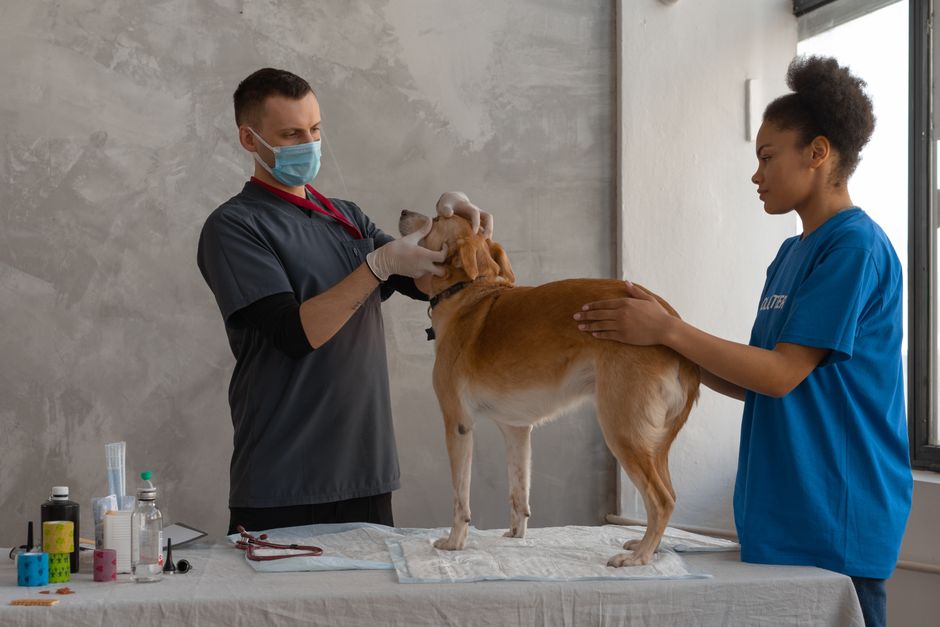
When you bring your dog to Trigg County Veterinary Clinic for a skin allergy evaluation, the appointment typically begins with a thorough history and physical examination. Our veterinarians will ask about your dog’s symptoms, when they started, how they have progressed, and whether you have noticed any changes in your dog’s environment or diet. You may also be asked about previous treatments and whether your dog has responded to any over-the-counter products or home remedies.
Diagnostic Steps for Canine Skin Allergies
After gathering a detailed history, the veterinarian will perform a close inspection of your dog’s skin, ears, and coat. This includes looking for redness, lesions, hair loss patterns, and evidence of fleas or other parasites. Depending on the findings, our team may recommend additional diagnostic tests. These can include skin scrapings to check for mites, cytology to identify infections, and sometimes fungal cultures or bacterial swabs. Blood tests or specialized allergy testing services may also be suggested, especially if your veterinarian suspects environmental or food allergies are at play.
If food allergy is suspected, our veterinarians might recommend a strict elimination diet trial, which means feeding your dog a prescription or novel protein diet for several weeks and monitoring for improvement. Throughout this process, our team will guide you on how to manage your dog’s symptoms and keep track of progress.
In some cases, advanced diagnostics such as veterinary diagnostic laboratory services may be needed to rule out other conditions that can mimic allergies, such as hormonal imbalances or immune-mediated diseases. These additional tests help ensure that your dog receives a precise and effective treatment plan.
Common Treatments and What to Expect
Treatment for dog skin allergies is tailored to the underlying cause and the severity of symptoms. For flea allergies, immediate and consistent flea control is crucial. Your veterinarian will recommend safe, effective products to eliminate fleas from both your dog and the home environment.
For environmental allergies, options include medicated baths, topical therapies, antihistamines, prescription medications, and sometimes immunotherapy (allergy shots). Dogs with secondary skin infections may need antibiotics or antifungal medications, which can be given orally or as topical ointments. If food allergies are confirmed, the main treatment involves identifying and avoiding the offending ingredient.
Our veterinary dermatology services are designed to help diagnose and treat the full range of skin conditions, from mild itching to chronic, difficult cases. The veterinary team will explain the benefits and potential side effects of each treatment and work with you to develop a plan that fits your dog’s needs and your family’s lifestyle.
Preventing Flare-Ups and Managing Skin Allergies at Home
Managing skin allergies is often a long-term process, but there are many ways you can help your dog at home. Regular bathing with veterinarian-approved shampoos can help remove allergens and soothe irritated skin. Keeping bedding and living areas clean, vacuuming frequently, and using air purifiers can reduce environmental triggers.
Consistent flea prevention is essential year-round, especially in a region like Cadiz where flea populations can surge during warm months. For dogs with food allergies, carefully reading ingredient labels and avoiding table scraps or treats with unknown components is vital.
Monitoring your dog closely for early signs of itching or skin changes allows for prompt intervention and helps prevent more serious flare-ups. Our veterinary team is always happy to answer questions about home care and recommend products that are safe and effective for your pet.
When Should You Schedule a Dog With Skin Allergies Vet Appointment?
While some mild itching can be managed with basic home care, certain situations require prompt veterinary attention. If your dog is scratching so intensely that the skin is bleeding, developing open sores or hot spots, or experiencing hair loss, it is time to schedule an appointment. Other warning signs include persistent or recurring ear infections, sudden changes in behavior, or if your dog seems distressed or uncomfortable.
Additionally, if your dog’s skin condition does not improve with over-the-counter treatments, or if symptoms worsen, reach out to our veterinary professionals. Early and comprehensive care can make a significant difference in your dog’s comfort and quality of life. For general pet examination needs or if you are unsure whether your dog’s symptoms require veterinary attention, our pet examination services are available to help you get answers.
Supporting Your Dog’s Skin Health in Cadiz and Surrounding Communities
At Trigg County Veterinary Clinic, we know how important your dog’s comfort and wellbeing are to your family. Our veterinarians are dedicated to providing compassionate, thorough care for each dog with skin allergies vet appointment, from the first evaluation to long-term management. We serve pet owners throughout Cadiz and surrounding communities, offering both routine and urgent care to help you navigate every stage of your dog’s health journey.
If you are searching for a veterinarian near me who understands the unique needs of dogs with skin allergies in Western Kentucky, our team is here to help. You can count on our knowledge, experience, and commitment to finding the right solutions for your dog’s individual needs. To schedule a dog with skin allergies vet appointment or to learn more about our services, contact Trigg County Veterinary Clinic at (270) 522-3404 or visit us at 81 Roger Thomas Road, Cadiz, KY 42211.
Skin allergies can be challenging, but you do not have to face them alone. Our veterinary professionals are here to support you every step of the way, ensuring your dog is as healthy, happy, and comfortable as possible. Schedule your appointment today and let us help your dog find relief.