What to Expect at a Vet Near Me in Cadiz, KY


What to Expect at a Vet Near Me in Cadiz, KY
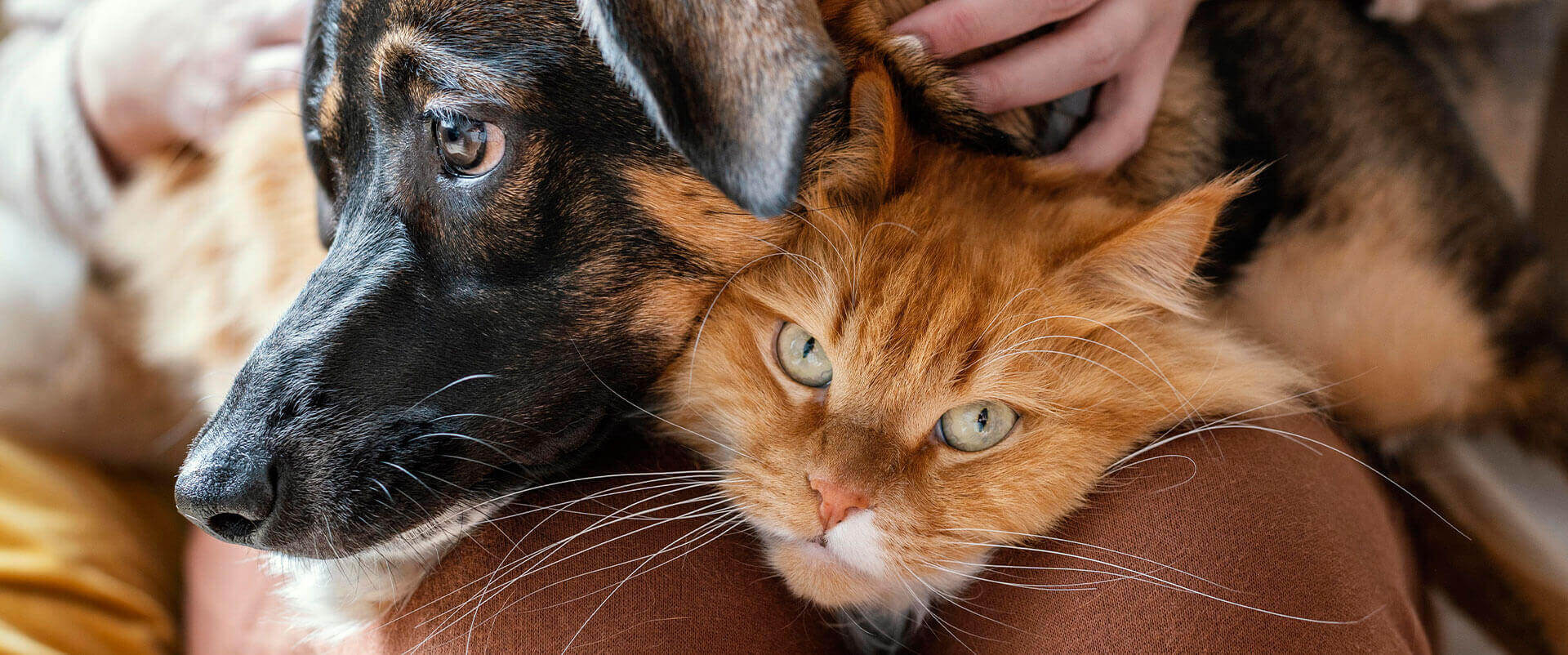
When you search for a "vet near me" in Cadiz, KY, you want more than just a convenient location; you want a veterinary team that truly understands the needs of both your pets and your livestock. At Trigg County Veterinary Clinic, we are proud to serve families, producers, and horse owners throughout Western Kentucky from our welcoming location at 81 Roger Thomas Road, Cadiz, KY 42211. Whether you need a trusted veterinarian for your dog or cat, or expert herd health support for your cattle, sheep, or goats, our mixed-animal practice is equipped to help. In this guide, we’ll walk you through what to expect during a visit to our clinic, the range of services we provide, and how our veterinary professionals partner with you to keep your animals healthy and thriving.
Recognizing When You Need a Vet Near Me in Cadiz, KY
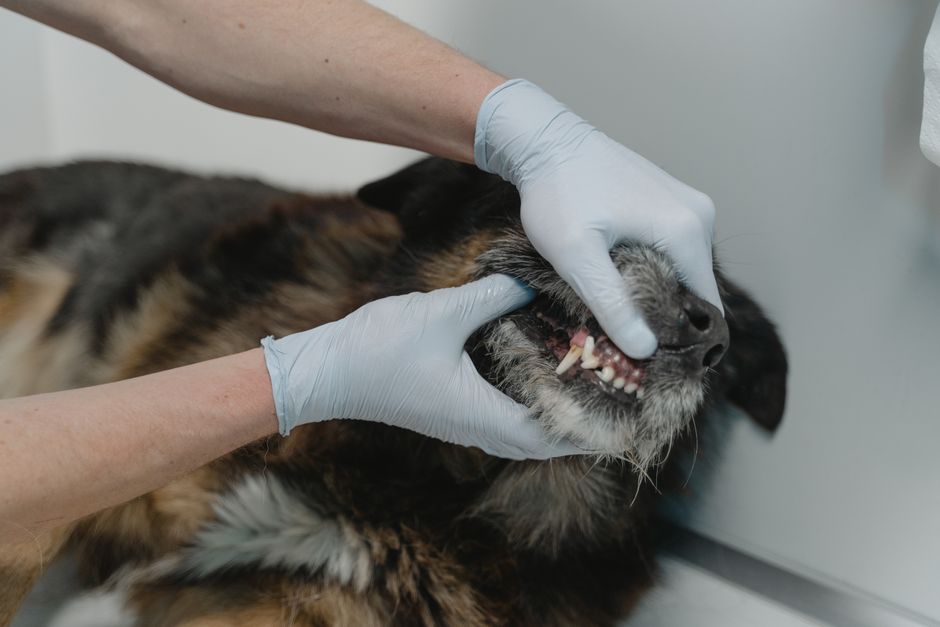
Understanding when to call your local veterinarian is essential, whether you have a new puppy, a senior cat, a herd of beef cattle, or horses in your barn. For pet owners, signs that it’s time for a veterinary visit include changes in appetite, persistent coughing or sneezing, vomiting or diarrhea that lasts more than a day, limping, lethargy, or visible lumps and bumps. Dental problems are also common in pets; if you notice bad breath, drooling, or reluctance to eat, it could be time for a professional dental cleaning.
For producers managing livestock, warning signs that animals may need veterinary attention include sudden drops in milk production, unexplained weight loss, coughing or nasal discharge in the herd, lameness, or abnormal behavior such as isolation from the group. During calving or lambing season, prolonged labor, retained placenta, or weak newborns are all reasons to consult your veterinarian promptly. Regular herd health checks are a proactive way to catch issues early and optimize productivity.
Horse owners should watch for changes such as reluctance to eat, colic symptoms like pawing or rolling, lameness, nasal discharge, coughing, or dental issues manifesting as dropping feed. In our region, the spring and fall bring unique concerns like parasite risks and pasture transitions, so seasonal vigilance is important.
Understanding the Causes: Why Veterinary Visits Matter
Animals often hide discomfort or illness until the problem becomes advanced. For pets, underlying causes of illness can range from infectious diseases to chronic conditions like allergies or dental disease. In livestock, stressors such as weather changes, nutritional imbalances, and biosecurity lapses can lead to outbreaks or production setbacks. Horses are prone to conditions like colic, lameness, and dental problems, particularly as they age or during periods of high activity.
Routine checkups and preventive care are crucial for catching health issues before they become emergencies. Vaccinations, deworming, and regular examinations are the backbone of a healthy herd, flock, or companion animal. Our region’s climate means both pets and livestock face parasite pressures throughout much of the year, which makes timely preventive care especially important in Cadiz and the surrounding communities.
What to Expect: Veterinary Services for Pets, Livestock, and Horses
At Trigg County Veterinary Clinic, our mixed-animal expertise means that whether you bring your dog in for a comprehensive pet exam or schedule a herd evaluation, you receive attentive, individualized care. For pets, our services include routine wellness exams, vaccinations, diagnostics, dental care, soft tissue surgeries, and specialized allergy and dermatology support. If your companion animal faces issues like persistent skin problems or signs of allergies, our team can provide allergy testing and develop a treatment plan tailored to your pet’s needs.
For livestock producers, we focus on herd health programs that include vaccination schedules, reproductive evaluations, disease diagnostics, and advice on feed and nutrition. Regular herd visits help us monitor trends, prevent outbreaks, and support your operation’s productivity through every season. During calving season, for example, our veterinary team is equipped to assist with difficult births, neonatal care, and postpartum monitoring.
Horse owners can rely on us for annual vaccinations, Coggins testing, dental floats, lameness evaluations, and soundness exams. Our veterinarians understand the unique needs of horses in Western Kentucky, from managing the risk of colic in spring pasture to providing guidance on hoof care during wet or dry spells.
When urgent concerns arise—such as injuries, sudden illness, or calving difficulties—we offer same-day urgent care for pets during clinic hours. For livestock emergencies, we advise calling as soon as possible so we can coordinate prompt on-farm assistance.
Taking Action: How Veterinary Care Is Delivered
For Companion Pets
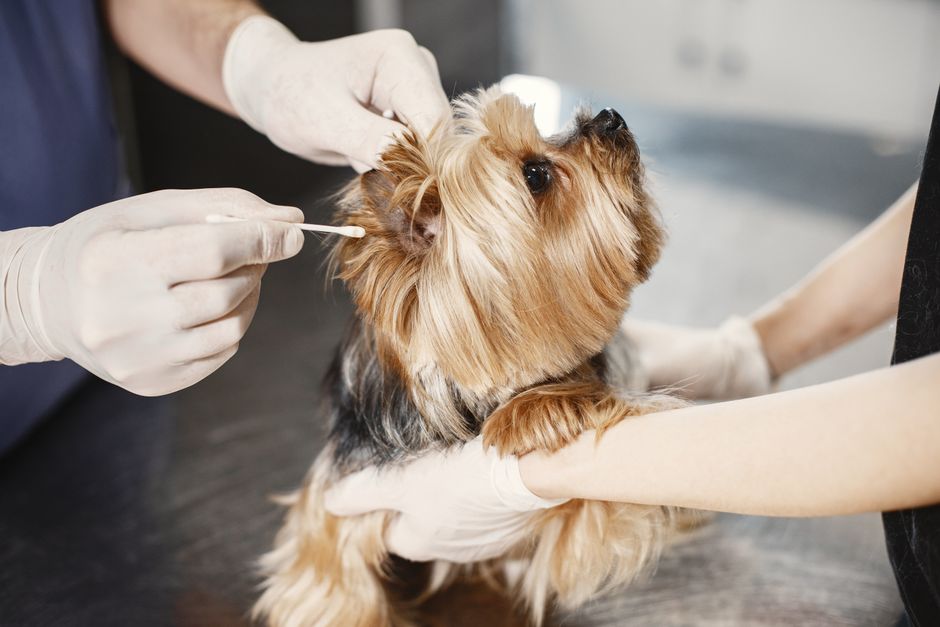
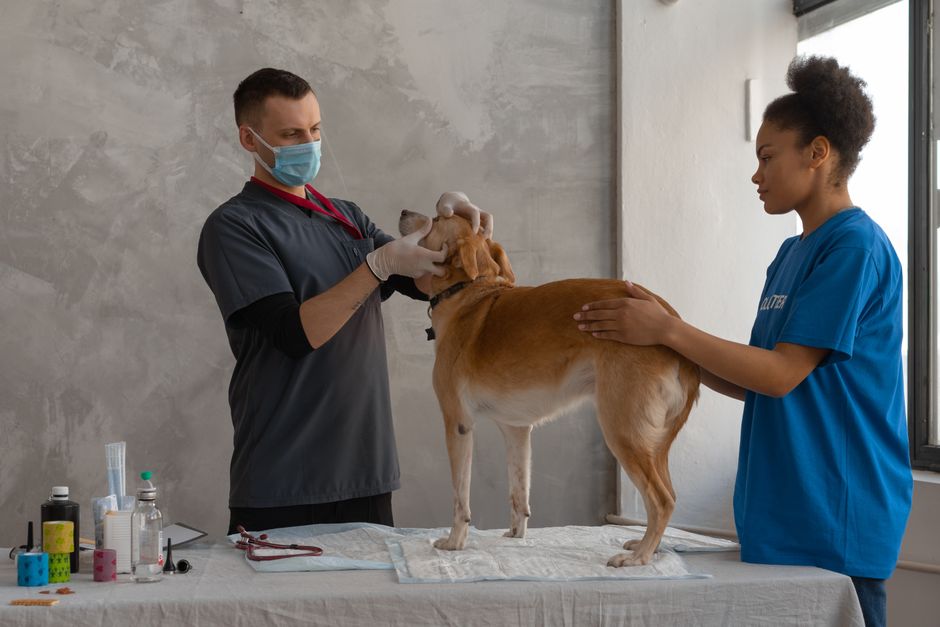
During a typical appointment for your dog or cat, our veterinary professionals will begin with a thorough physical exam, review your animal’s medical history, and discuss any concerns you have observed at home. Diagnostic tests such as bloodwork, radiographs, or ultrasounds may be recommended if needed. Treatments can involve medications, dietary recommendations, dental procedures, or surgery, depending on your pet’s condition. Our team is always happy to explain every step and answer your questions, making the process as stress-free as possible for both you and your animal.
For Livestock Producers
When you schedule a herd health visit, our veterinarians will assess the overall condition of your livestock, discuss your production goals, review vaccination and deworming protocols, and address any current health concerns. Services may include pregnancy checks, castration, hoof trimming, and advice on nutrition or housing. We work with you to implement practical biosecurity measures that protect your operation from disease outbreaks and help you maximize efficiency.
For Horse Owners
Equine appointments often include a soundness exam, dental evaluation, vaccination updates, and discussion of parasite control strategies. If your horse is showing signs of lameness or digestive upset, a targeted diagnostic approach will help us determine the underlying cause and create a management plan. We want you to feel confident in your horse’s health, whether you compete, work cattle, or enjoy trail rides around Cadiz.
Prevention and Home/Farm Care: Supporting Long-Term Animal Health
Preventive care is the most effective way to ensure the ongoing health of your animals. For pet owners, this means annual wellness exams, timely vaccinations, routine dental care, and keeping up with parasite prevention. Simple steps, such as monitoring your pet’s weight, providing regular exercise, and addressing skin or coat changes, can make a significant difference in their well-being.
Livestock producers benefit from scheduled herd health checks, consistent vaccination and deworming programs, and attention to nutrition and housing. Keeping accurate records of births, illnesses, and treatments allows you to spot trends and intervene early; biosecurity measures, such as controlling animal movement and maintaining clean facilities, help prevent disease from entering or spreading through your herd.
For horse owners, preventive care involves annual dental floats, regular farrier visits, timely vaccinations, and parasite control. Monitoring your horse’s body condition, especially during transitions from pasture to hay, is essential for preventing metabolic issues or laminitis. Ensuring constant access to clean water and shelter from the elements supports both health and performance.
When to Seek Veterinary Care: Knowing When It's Time to Call
Knowing when to seek professional help can make a life-saving difference. For pets, prompt veterinary attention is needed if you notice signs such as persistent vomiting or diarrhea, difficulty breathing, collapse, seizures, or severe injuries. For livestock, call your veterinarian if you see sudden deaths in the herd, unexplained drops in production, animals that are down and unable to rise, or outbreaks of coughing, diarrhea, or lameness. Horses showing signs of colic, lameness, or wounds should be examined as soon as possible to minimize complications.
Our veterinary team at Trigg County Veterinary Clinic encourages you to contact us whenever you have questions or notice changes in your animals. Early intervention is often the key to successful treatment and can help prevent more serious issues down the road.
Why Choose Trigg County Veterinary Clinic as Your Local Vet Near Me
Choosing the right "vet near me" in Cadiz, KY means finding a partner who understands the unique challenges and joys of caring for both pets and livestock in Western Kentucky. At Trigg County Veterinary Clinic, our veterinarians are committed to providing comprehensive, compassionate care for every animal, whether they live in your home, barn, or pasture. Our convenient location, wide range of services, and dedication to ongoing education ensure that your animals receive the highest standard of care.
If you are searching for a veterinarian who can support both your companion animals and your operation, we invite you to schedule an appointment or call us at (270) 522-3404. We are here to help your pets, livestock, and horses stay healthy—no matter the season. For more information on our comprehensive veterinary services, visit our website or stop by our clinic at 81 Roger Thomas Road, Cadiz, KY 42211.
Whether you are a pet owner, producer, or horse enthusiast, your animals deserve the best care available. When you need a "vet near me" who understands the needs of both pets and livestock in Cadiz and surrounding communities, Trigg County Veterinary Clinic is your trusted partner in animal health.
This blog is intended for informational purposes only and should not replace professional veterinary advice. Always contact your veterinarian for guidance specific to your animals’ needs.