August Pet Dental Care: Why Summer Cleanings Matter
August Pet Dental Care: Why Summer Cleanings Matter
As August brings peak summer warmth and humidity to Cadiz and surrounding communities, many animal owners begin to notice changes in their dogs and cats—sometimes subtle, sometimes not so much. One concern that often arises during this time of year is dental health. At Trigg County Veterinary Clinic, located at 81 Roger Thomas Road, Cadiz, KY 42211, we understand how critical oral health is for both small animals like your family dog or cat and the horses or livestock that are part of your operation. This blog will help you recognize the signs of dental trouble, explain why August is an ideal time for dental checkups, and outline how professional cleanings with our veterinary team can make a lasting difference. Whether you’re scheduling a wellness visit for your household pet or managing herd health on your farm, we are here to support the wellbeing of every animal in your care.
Recognizing Dental Problems in Dogs, Cats, and Livestock
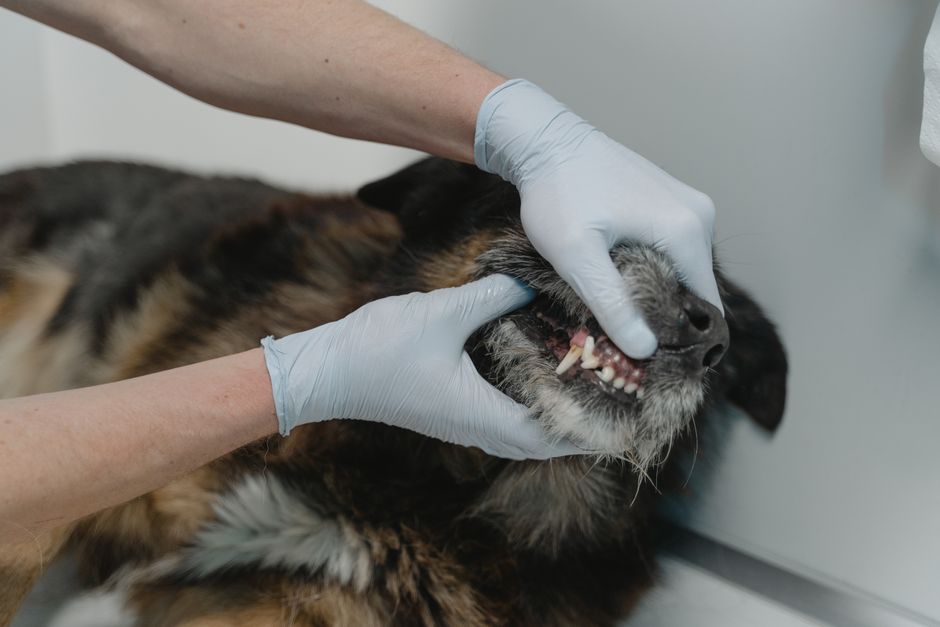
Dental disease is not just a problem for companion animals; it can also impact the productivity and comfort of livestock and horses. For pet owners, symptoms of dental problems in dogs and cats include bad breath, visible tartar, red or swollen gums, drooling, pawing at the mouth, reluctance to eat hard food, and changes in chewing habits. Additionally, pets might shy away from having their head or mouth touched, or even become irritable when eating.
For producers and horse owners, oral health issues in livestock and horses might manifest as dropping feed, difficulty chewing, weight loss, decreased milk or meat production, and even changes in temperament. Horses in particular may show signs like excessive salivation, undigested grain in manure, or resistance to the bit.
Recognizing these early warning signs is the first step in preventing more serious problems. If you notice any of these behaviors in your animals, it may be time to consider a dental evaluation.
Why Dental Problems Arise in the Summer
August in Western Kentucky brings heat and humidity, both of which can create an environment where bacteria thrive—especially in the mouths of animals. Dogs and cats might spend more time outdoors, chewing on sticks or other objects, which can accelerate dental wear and expose teeth to bacteria. Livestock and horses may have access to lush pasture, but certain forages can contribute to tartar accumulation, especially if animals are not consuming enough roughage to naturally clean their teeth.
Higher temperatures can also lead to dehydration, which reduces saliva flow and impairs the mouth’s natural cleaning process. In pets, panting increases during summer, drying out oral tissues and making the environment even more favorable for plaque buildup and gum irritation. For livestock and horses, long days on pasture may mean less direct observation, so subtle changes in eating or behavior are easily missed.
All these factors make summer—particularly August—a critical time to be proactive about dental care. An overlooked dental issue now can quickly escalate, leading to pain, infection, or systemic health problems as the season progresses.
Professional Treatment: The Importance of Veterinary Dental Cleanings
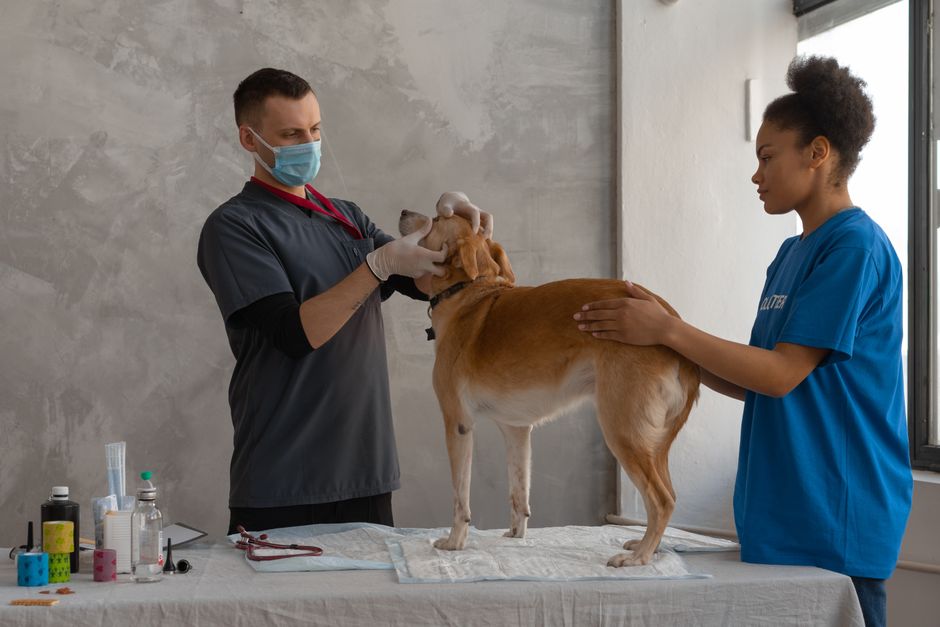
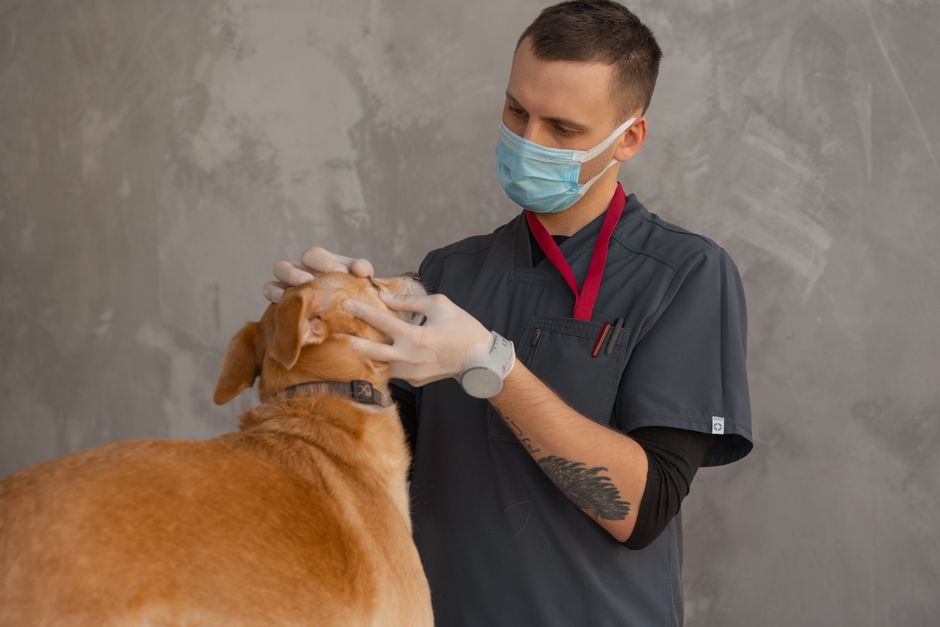
Scheduling a dental cleaning with a veterinary professional is one of the most effective ways to protect your animal’s oral and overall health. For dogs and cats, a thorough dental examination under anesthesia allows our veterinary team to assess each tooth, remove tartar and plaque above and below the gumline, and identify any teeth that may require extraction or further care. Professional cleanings are far more comprehensive than what can be accomplished at home, as they allow for scaling, polishing, and the detection of problems that may not yet be visible on the surface.
If your pet has advanced dental disease, our team can perform additional procedures, including pet tooth extraction services, to relieve pain and prevent infection. For more information on how these procedures are handled, you can read about our professional pet dental cleaning services at our clinic.
For livestock and horses, dental care is equally important but often takes a different form. Horses, for example, benefit from regular dental floats to file down sharp points and ensure even chewing. Cattle, sheep, and goats may need their teeth examined during routine herd health checks, especially if there is a drop in feed efficiency or unexplained weight loss. Our veterinary team can advise on the frequency and approach that best suits your herd or horse’s needs.
At-Home Dental Care and Prevention
While professional cleanings are essential, there are many steps pet owners, producers, and horse owners can take at home or on the farm to support oral health between visits. For dogs and cats, daily tooth brushing with a pet-safe toothpaste helps control plaque. Offering dental chews or toys designed to clean teeth can also be beneficial, although these should not replace professional care.
For livestock, providing access to appropriate roughage helps naturally wear down teeth and reduce tartar buildup. Monitoring eating behavior, regularly checking the mouth for sores or broken teeth, and maintaining clean water sources are all important. Horses benefit from routine dental checks, especially as they age or if you notice signs like dropping grain or resisting the bit.
In every setting, observing animals for subtle changes—such as slower eating, reluctance to graze, or altered chewing patterns—provides early clues that dental care may be needed. Remember, prevention is always easier and less costly than treating advanced dental disease.
When to Seek Veterinary Care for Dental Concerns
Knowing when to transition from at-home management to professional veterinary care is crucial for your animal’s wellbeing. For dogs and cats, persistent bad breath, visible swelling, bleeding gums, broken or loose teeth, or refusal to eat should prompt an immediate appointment. If you notice your pet favoring one side of the mouth, dropping food, or showing signs of pain, these are also red flags.
Livestock and horses should be evaluated by a veterinarian if you observe significant changes in feed intake, unexplained weight loss, nasal discharge, facial swelling, or difficulty chewing. Horses that toss their head, resist the bit, or show discomfort with the bridle may be experiencing dental pain. Producers and horse owners should also consider dental evaluations as part of routine herd health or soundness exams, especially before breeding, calving, or periods of increased production demand.
The veterinary team at Trigg County Veterinary Clinic is equipped to provide comprehensive dental care for all species we serve. Early intervention not only improves comfort but can also prevent more serious complications and safeguard the long-term health of your animals.
Why August Is the Perfect Time for Dental Checkups
There are several reasons why August is an ideal month to schedule dental cleanings and evaluations. Warmer weather and increased outdoor activity can expose animals to greater oral health risks. For pet owners, scheduling a cleaning before the busy back-to-school season helps ensure your dog or cat enters the fall feeling their best. Producers benefit from addressing dental issues before the demands of fall breeding, weaning, or harvest season begin. Horse owners can prevent issues that might interfere with fall riding, events, or training.
By being proactive in August, you allow time for follow-up if any additional dental treatments are needed. This timing also helps avoid the rush that often occurs later in the year, ensuring you can secure an appointment that fits your schedule.
Supporting Your Animal’s Health All Year Long
Oral health is a vital, year-round commitment for every animal owner, whether you care for a beloved family pet, a productive herd, or a stable full of horses. At Trigg County Veterinary Clinic, our veterinarians are dedicated to providing high-quality dental care and guidance to keep your animals feeling and performing their best.
If you are searching for a veterinarian near me in Cadiz or surrounding communities who understands the unique dental needs of small animals, livestock, and horses, our team is here to help. To schedule a dental cleaning, request a comprehensive oral exam, or discuss concerns about your animal’s dental health, give us a call at (270) 522-3404 or visit us at 81 Roger Thomas Road, Cadiz, KY 42211. You can also learn more about our pet dental cleaning services or find details on pet tooth extraction services on our website.
Let us help you keep every animal in your care healthy, comfortable, and thriving—this August and all year long. If you have questions or need guidance, our veterinary professionals are always here to support you and your animals.
This article is for educational purposes only and does not replace professional veterinary care. If you notice signs of illness or pain in your animals, please contact your veterinarian for an appointment and individualized recommendations.