Winter Wellness Tips for Pets in Cadiz, KY
Winter Wellness Tips for Pets in Cadiz, KY
As the crisp morning air settles over Cadiz and the days grow shorter, pet owners throughout Western Kentucky start preparing their homes for winter. At Trigg County Veterinary Clinic, we know how important it is to keep your dog or cat comfortable and healthy as the temperature drops. Cold weather brings a unique set of challenges for pets, from skin dryness to increased risk of certain illnesses. In this guide, our team of veterinarians will share essential winter wellness tips, highlight the most common seasonal health issues, and explain how proactive preventive care can keep your pet thriving through the colder months. Whether you are concerned about your pet’s comfort during chilly walks or wondering which preventive steps matter most in November, you will find practical advice and expert insights here.
If you are planning your pet’s seasonal checkup or want to make sure vaccinations and heartworm prevention are up to date, our veterinary team at 81 Roger Thomas Road, Cadiz, KY 42211 is here to support you. For more details on our comprehensive wellness examinations and preventive care, explore our services or give us a call to schedule your pet’s next visit.
Recognizing Winter Health Concerns in Pets
Noticing changes in your dog or cat’s behavior or health during colder weather is the first step to ensuring winter doesn’t put their wellbeing at risk. Some pets may seem more reluctant to go outside, while others develop dry or flaky skin as the humidity drops indoors. Key symptoms that may signal winter-related health issues include cracked paw pads, increased itching or scratching, coughing, sneezing, or a sudden drop in energy levels. Additional signs such as changes in appetite, shivering, or seeking extra warmth by burrowing under blankets can also indicate your pet is feeling the effects of the season. Some pets—especially short-haired breeds, seniors, and those with chronic health conditions—are more sensitive to temperature changes and may need extra care.
In particular, winter can bring an increased risk of respiratory infections, as pets spend more time indoors and are exposed to dry, heated air. Watch for a persistent cough, nasal discharge, or any signs of labored breathing, which should never be ignored. Early detection of these issues helps prevent complications and keeps your pet on the road to recovery.
Why Winter Can Be Challenging for Dogs and Cats
Understanding what makes winter a tricky season for pets is essential for providing the right protection. As temperatures drop in Cadiz and surrounding communities, dogs and cats often face several environmental stressors. Cold air can dry out sensitive skin, while icy sidewalks may cause cracking or irritation on paw pads. Indoor heating, although comforting, further reduces humidity and can worsen dry skin and respiratory discomfort for many pets.
Another significant concern is reduced physical activity. Shorter daylight hours and inclement weather often mean pets spend less time outdoors, leading to weight gain or boredom-related behavior problems. For dogs, icy conditions can make walks treacherous and discourage regular exercise, while indoor cats may become less active simply because there is less stimulation.
Additionally, certain parasites—like fleas—can survive indoors year-round, and heartworm prevention should not be paused during the winter, despite common misconceptions. The risk of infectious diseases persists in colder months, and many illnesses can be prevented with proper seasonal care, including regular pet immunizations and wellness screenings.
Professional Winter Wellness Care: What to Expect
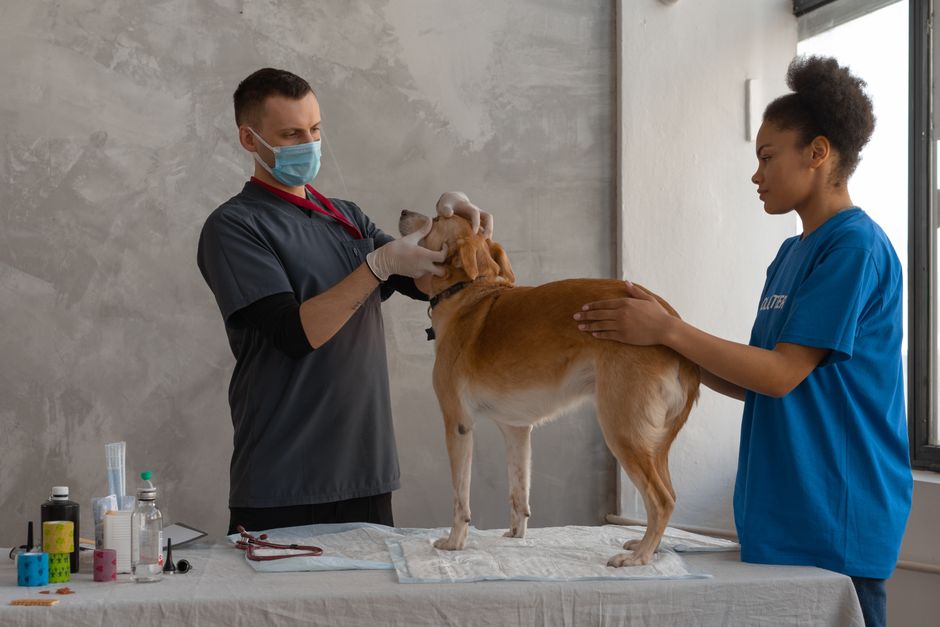
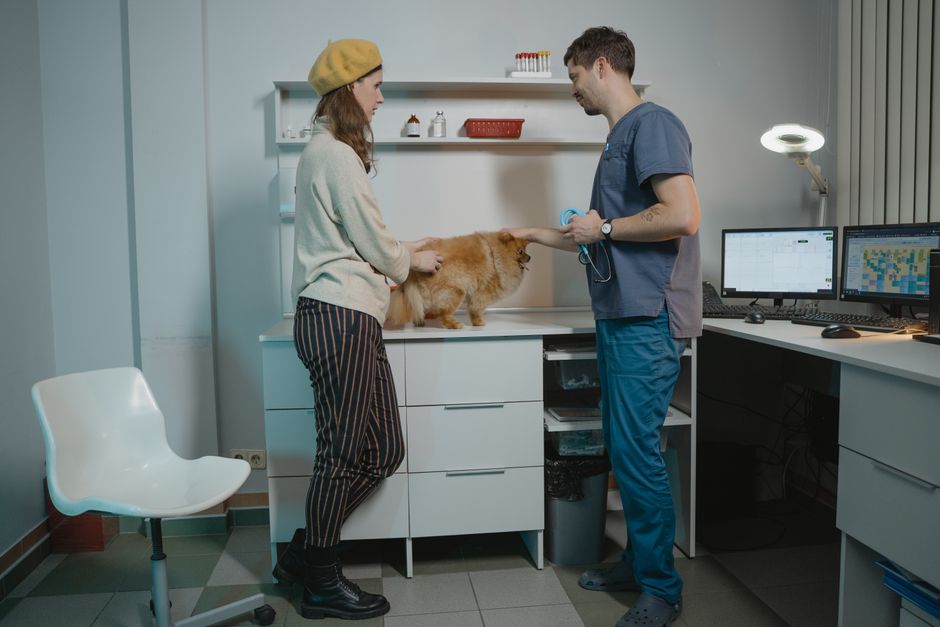
Scheduling a winter wellness examination at Trigg County Veterinary Clinic is one of the best ways to ensure your pet stays healthy as the weather cools. During a comprehensive checkup, our veterinary team will evaluate your dog or cat’s overall health, paying particular attention to their skin, coat, weight, and respiratory system. We often recommend bloodwork and diagnostic screenings for older pets or those with chronic health conditions to catch any underlying issues early.
Part of our winter care approach involves reviewing your pet’s current vaccination status and discussing ongoing parasite prevention. Our heartworm testing service is especially important, as heartworms can be a year-round concern in Kentucky’s climate. If your pet is due for vaccinations or preventive care, we will tailor a plan that fits their specific needs and lifestyle.
For pets showing signs of discomfort such as dry skin, cracked paws, or increased shedding, our veterinarians can recommend safe moisturizers and dietary adjustments that support skin and coat health. We also provide guidance on safe exercise routines, nutrition, and environmental enrichment to help your dog or cat stay physically and mentally stimulated throughout the winter.
Home Care Tips to Keep Your Pet Comfortable All Winter
Taking proactive steps at home can make a world of difference for your pet’s comfort and wellbeing during the colder months. Begin by providing a warm, draft-free sleeping area away from cold floors. For dogs, consider a cozy bed and, if needed, a pet-safe heating pad for older or arthritic pets. Cats often appreciate extra blankets or a perch near a sunny window.
Caring for your pet’s paws is especially important in winter. After walks, wipe your dog’s feet to remove salt, ice, or chemicals that may irritate their skin. Applying a pet-safe balm can help prevent cracking. Monitor indoor humidity levels and use a humidifier if needed to reduce dry skin and respiratory irritation.
Maintaining a consistent exercise routine is crucial, even if you have to get creative indoors. Use interactive toys, treat puzzles, or brief outdoor play sessions to keep your pet active. Adjust meal portions if your pet’s activity level decreases, as winter weight gain can sneak up quickly.
Do not overlook the importance of year-round parasite prevention. Continue using flea, tick, and heartworm preventives as recommended by your veterinarian. Winter is also an excellent time to review your pet’s vaccination status and, if needed, update their immunizations for protection against seasonal illnesses.
When to Schedule a Veterinary Visit in Winter
While many winter wellness steps can be handled at home, there are times when professional veterinary care is essential. If your pet is exhibiting persistent symptoms such as coughing, sneezing, difficulty breathing, unexplained weight loss or gain, lethargy, or significant changes in appetite, it is time to schedule an appointment. Likewise, if you notice wounds that do not heal, cracked and bleeding paw pads, or any sign of pain, do not delay seeking veterinary attention.
Sudden behavior changes, such as hiding, vocalizing in discomfort, or refusing to go outside, also warrant a veterinary evaluation. Our team is equipped to provide urgent veterinary care for sick or injured pets when the unexpected happens. Prompt attention to these issues can prevent complications and help your pet recover faster.
For ongoing support, consider making winter wellness checkups a regular part of your pet’s care routine. This proactive approach helps catch minor issues before they become major concerns and ensures your pet is protected against common seasonal illnesses.
Trust Trigg County Veterinary Clinic for Winter Pet Wellness in Cadiz
As winter arrives in Cadiz, keeping your dog or cat healthy and comfortable is a priority we share with every pet owner in our community. By recognizing the unique challenges of the season, providing the right home care, and partnering with your local veterinary team, you can make sure your pet enjoys the colder months with as much energy and happiness as any other time of year.
If you are searching for a veterinarian near me who truly understands the needs of pets in Western Kentucky, look no further than Trigg County Veterinary Clinic. Schedule your pet’s winter wellness visit by calling (270) 512-7839 or visit us at 81 Roger Thomas Road, Cadiz, KY 42211. For more resources on wellness examinations and preventive care, explore our website or reach out with any questions. Our team of veterinarians is committed to helping your pet stay healthy, safe, and happy through every season.
This blog is intended for informational purposes only and should not replace individualized medical advice. Always consult your veterinarian for specific concerns about your pet’s health.