Beat Summer Skin Problems in Cadiz Pets
Summer in Western Kentucky brings long days, humid air, and plenty of time outdoors for both pets and livestock. While these warm months are perfect for adventures and grazing, the combination of heat and humidity can quickly lead to skin problems in dogs, cats, and even farm animals. At Trigg County Veterinary Clinic, our veterinarians frequently see an uptick in itchy skin, hotspots, and infections every July. Whether you are a pet owner worried about your dog's sudden scratching or a producer noticing skin changes in your herd, understanding how summer affects animal skin health is essential for prevention and comfort. In this guide, we will explore why skin issues are so common in Cadiz during the summer, how to spot early warning signs, and what you can do to keep your animals healthy. We will also outline when it's time to schedule an appointment with our team at 81 Roger Thomas Road, Cadiz, KY 42211, so you can act quickly if a problem arises.

Recognizing Summer Skin Problems in Pets and Livestock

Skin issues can look different depending on whether you are caring for a household pet or a herd of cattle, but discomfort is a common thread. For pet owners, signs your dog or cat may be struggling include persistent scratching, licking, or chewing at the skin. Red or inflamed areas, the appearance of moist, oozing patches (commonly called hotspots), hair loss, and a musty odor are also telltale indicators. Cats may develop bald spots or scabby skin around the neck and back, while dogs frequently show redness and swelling between the toes or on the belly.

For livestock and horses, summer skin problems often present as hair loss, crusty scabs, and areas of raw or thickened skin. Producers may notice cattle or sheep rubbing against fences, biting at their own skin, or developing patches of missing hair along the back or legs. In horses, sweet itch and rain rot are seasonal concerns, showing up as intense itching along the mane and tail or scabby, raised lesions on the rump and back. These changes are more than superficial; left untreated, they can lead to decreased comfort, weight loss, or secondary infections.

Why Does Summer Trigger So Many Skin Issues?

The humid climate of Cadiz and surrounding communities creates the perfect storm for skin problems in both pets and farm animals. The primary factors include increased moisture, higher temperatures, and abundant outdoor allergens. When animals sweat or get wet, their skin stays damp, especially in areas with thick fur or underbelly folds. This moisture breaks down the natural barrier of the skin, allowing bacteria and yeast to multiply rapidly.

For dogs and cats, summer also brings an explosion of environmental allergens such as pollen, mold, and grass. Many pets are sensitive to these triggers, resulting in allergic dermatitis—an inflammatory skin condition that causes itching and redness. Fleas and ticks thrive in warm weather as well, leading to bites, irritation, and in some cases, allergic reactions to flea saliva.

On the farm, livestock face similar challenges, with biting flies, lice, and mites contributing to irritation and infection. Wet pastures and muddy conditions increase the risk of dermatophilosis (rain rot) in cattle and horses. Additionally, sun exposure can lead to sunburn, especially in white-faced cattle or pink-skinned animals, further compromising the skin's defenses. In all species, any break in the skin can quickly become a gateway for bacteria, setting the stage for painful infections.

Professional Treatment Options at Trigg County Veterinary Clinic

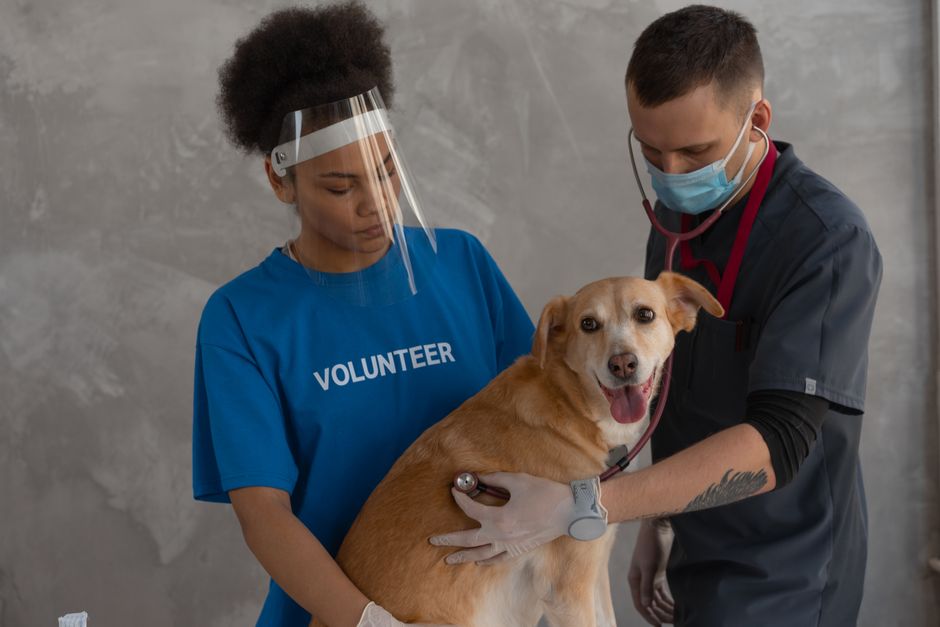
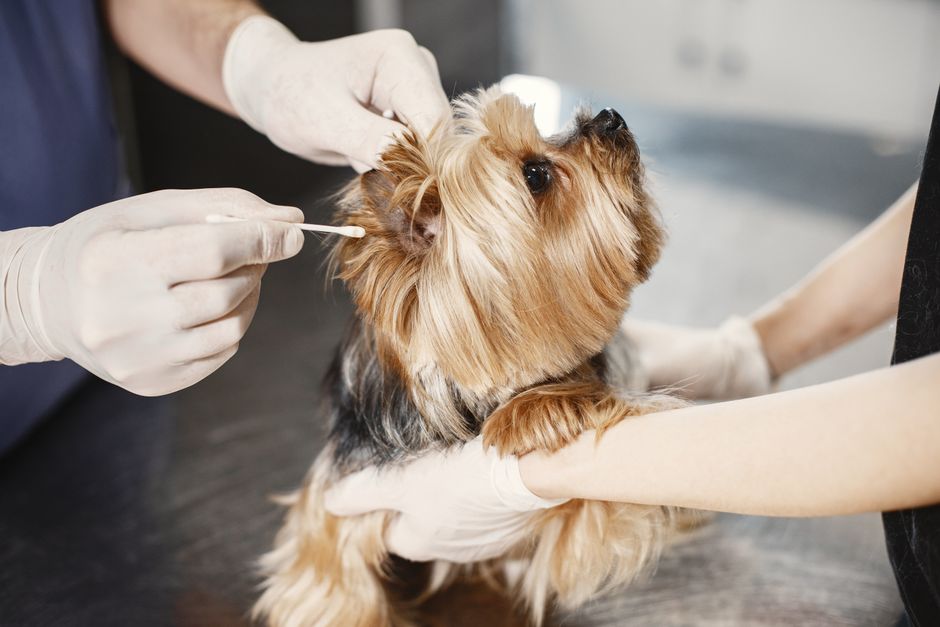
When skin problems arise, timely veterinary intervention can make all the difference. At Trigg County Veterinary Clinic, our veterinary team is equipped to diagnose and treat a wide range of summer skin conditions. For dogs and cats, a thorough wellness examination allows us to assess the severity of the issue and identify any underlying allergies or infections. Our veterinarians may recommend diagnostic tests such as skin scrapings, cytology, or allergy testing to pinpoint the root cause.

Treatment for pets often involves a combination of medicated shampoos, topical ointments, and oral medications to target infection and inflammation. If allergies are at play, our veterinarians can provide guidance on environmental management, prescribe anti-itch medication, or initiate immunotherapy based on allergy testing results. In more severe cases, antibiotics or antifungal medications may be needed to resolve secondary infections.

For livestock and horses, our approach is tailored to the needs of the operation and the specific condition. Our veterinarians may recommend topical treatments for rain rot or mange, injectable medications for systemic infections, or changes in pasture management to reduce exposure to irritants. In cases of severe fly strike or sunburn, we can guide producers on wound care and preventive strategies for the entire herd. Prompt attention is critical to limit animal discomfort and minimize economic losses.

Our clinic also offers dermatology services for complex or recurring skin problems, ensuring that every animal receives the most effective care available in the Cadiz area.

Preventing Skin Problems: Practical Steps for Home and Farm

Prevention is always preferable to treatment, especially during the unpredictable heat of summer. For pet owners, regular grooming is essential. Brushing your dog or cat removes loose fur, reduces matting, and helps you spot early signs of trouble. Bathing with veterinarian-recommended shampoos can keep skin clean without stripping natural oils; however, overbathing can cause dryness, so ask our veterinary team for individualized guidance.

Keeping your pet's environment clean and dry is equally important. Wash bedding frequently, vacuum regularly, and consider using an air purifier to reduce indoor allergens. Use effective flea and tick prevention year-round, as pests can cause intense itching and skin damage even in cooler months.

For producers and horse owners, managing skin health on the farm involves a combination of environmental control and proactive care. Moving livestock to well-drained pastures and providing shelter during heavy rain minimizes prolonged moisture exposure. Fly control programs, such as the use of fly tags, sprays, or physical barriers, reduce irritation and the risk of secondary infections. Inspecting animals routinely for signs of itching, hair loss, or scabs allows for early intervention. In the barn, ensure that bedding stays clean and dry, and provide shade for animals prone to sunburn or heat stress.

Nutritional support can also make a difference for all species. A balanced diet rich in essential fatty acids helps maintain a healthy skin barrier, making animals less susceptible to environmental triggers.

When Should You See a Veterinarian?

While many minor skin irritations can be managed at home or on the farm, certain warning signs should prompt a call to our veterinary professionals. For pet owners, if your dog or cat develops red, oozing sores, widespread hair loss, or is in obvious discomfort, it is time to schedule an appointment. Persistent scratching or licking that interferes with sleep, a sudden change in behavior, or any sign of infection such as swelling or foul odor also warrant professional attention.

Producers should contact our veterinary team if livestock develop large patches of missing hair, open wounds, or crusty, spreading lesions. Animals that become lethargic, lose condition, or show signs of systemic illness need prompt evaluation. In horses, rapid onset of skin lesions or intense, unrelenting itchiness should never be ignored, as these can quickly escalate without intervention.

If you are unsure whether your animal requires immediate care, our team is always available to discuss your concerns and guide you on next steps. Our clinic is here to serve Cadiz and surrounding communities with comprehensive care for both pets and livestock.

Supporting Healthy Skin All Summer in Cadiz

Summer skin problems can be frustrating for owners, producers, and animals alike, but with proactive management and professional support, you can keep your animals comfortable and healthy throughout the season. Regular grooming, environmental control, and preventive veterinary care help minimize the risk of itchy skin, hotspots, and infections, no matter if you are caring for a playful dog, an adventurous cat, or a busy herd.

If you notice signs of skin trouble or want expert advice on prevention, the veterinary team at Trigg County Veterinary Clinic is ready to help. We encourage you to schedule an appointment for a comprehensive pet exam or consult with our veterinarians about your herd or horses. For advanced cases or recurring issues, explore our dermatology services to ensure your animals receive the highest standard of care.

When searching for a veterinarian near me in Cadiz, trust the experienced professionals at Trigg County Veterinary Clinic to support your animal health needs. To schedule your visit or discuss a concern, call (270) 522-3404 or visit us at 81 Roger Thomas Road, Cadiz, KY 42211. We are committed to helping you and your animals enjoy a comfortable, itch-free summer in Western Kentucky.

This blog is intended for informational purposes only and should not replace professional veterinary advice. Always consult a veterinarian for specific concerns about your animal’s health.