
Cold Weather Joint Care Tips for Senior Pets

Cold Weather Joint Care Tips for Senior Pets
As the crisp fall air settles over Cadiz and the temperatures begin to dip, many pet owners notice their older dogs and cats moving a bit slower or seeming less eager to go outside. At Trigg County Veterinary Clinic, we understand how much you care about your senior pet's comfort, especially when cold weather can make joint stiffness and mobility issues more pronounced. Whether your beloved companion is showing early signs of arthritis or simply needs extra support to stay active this November, there are practical steps you can take to help them remain happy and mobile all season long. In this guide, our veterinary team at 81 Roger Thomas Road, Cadiz, KY 42211 shares essential cold weather joint care tips for senior pets, including how to spot discomfort, what you can do at home, and when to seek veterinary guidance.
Recognizing Signs of Joint Discomfort in Senior Pets
It is not always easy to tell when your older dog or cat is experiencing joint pain, since many pets are experts at hiding discomfort. However, subtle changes often provide early clues. Signs that your senior pet may be struggling with joint stiffness or arthritic pain include a noticeable reluctance to rise from their bed, hesitation to climb stairs, or difficulty jumping onto furniture. You might also see a pet limping occasionally, or hear them vocalize when touched near a sore joint. Some pets become less enthusiastic about walks or playtime, while others may lick or chew at areas that hurt.
Changes in behavior can be just as telling as physical symptoms. A usually sociable pet may become withdrawn, or a previously house-trained dog might start having accidents because it is simply too painful to get up quickly. If you notice any of these signs, it may be time to schedule a wellness examination to determine the cause and create a care plan that keeps your pet comfortable through the colder months.
Why Cold Weather Affects Senior Pet Joints
Many pet owners wonder why chilly weather seems to make joint problems worse in older pets. The answer relates to both the natural aging process and environmental factors. As dogs and cats age, the cartilage that cushions their joints can wear down, leading to arthritis or other degenerative joint diseases. When temperatures drop, decreased blood flow to extremities and stiffening of muscles and connective tissues can make these age-related changes even more noticeable.
Cold, damp conditions can also cause pets to be less active, which can further reduce flexibility and muscle strength. Some pets with underlying conditions, such as previous injuries or certain breeds predisposed to joint issues, may be especially sensitive to changes in the weather. Understanding these factors helps explain why your senior pet might need a little extra care and attention when winter arrives in Cadiz and surrounding communities.
Veterinary Treatment Options for Senior Pets with Joint Pain
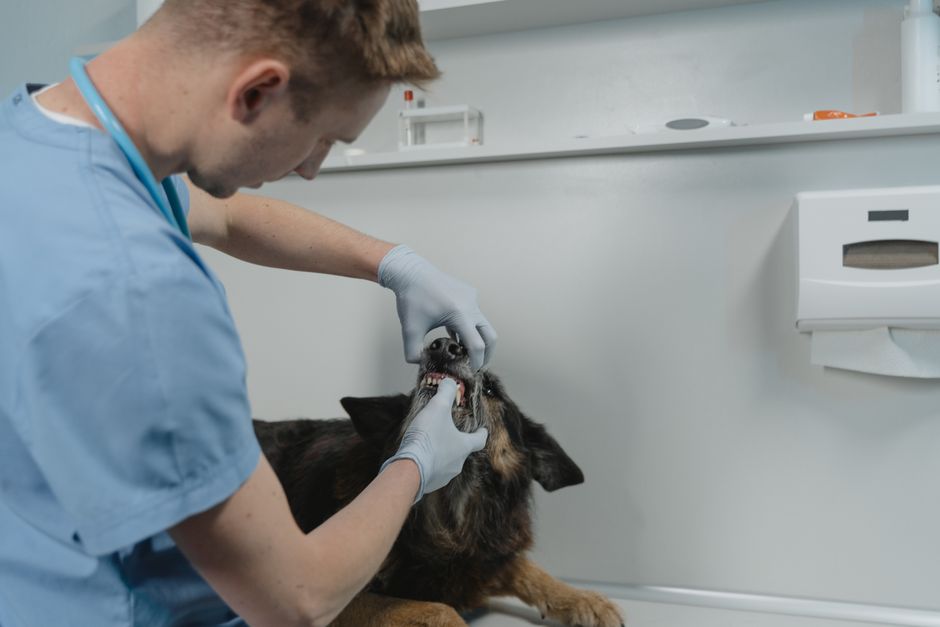
When it comes to managing joint discomfort in senior pets, early intervention and tailored veterinary care make a world of difference. At Trigg County Veterinary Clinic, our veterinarians use a combination of physical examinations, digital imaging, and laboratory tests to pinpoint the source and severity of your pet’s pain. For pets showing advanced symptoms, digital radiology can provide detailed images to evaluate joint health and rule out other issues like fractures or tumors.
Treatment approaches are personalized based on your pet’s specific needs. Options may include prescription anti-inflammatory medications, joint supplements containing glucosamine and chondroitin, and in some cases, physical therapy or therapeutic laser treatments. For pets with significant joint damage or conditions such as hip dysplasia, surgical procedures like a femoral head ostectomy (FHO) could be considered. Our veterinary team always discusses the risks, benefits, and expected outcomes with you so you can make informed decisions regarding your pet’s care.
Pain management is a critical part of treatment plans for senior pets, especially during colder months. Our veterinarians may recommend adjustments to your pet’s medication dosages or schedule additional check-ups to assess their response to treatment as winter progresses.
Home Care Strategies for Joint Health in Colder Weather
Beyond medical management, there are many practical steps you can take at home to help your senior pet feel their best during cold weather. Keeping your pet warm is one of the simplest yet most effective strategies. Consider providing a cozy, orthopedic pet bed in a draft-free area, and use blankets to add extra comfort. Placing rugs or mats on slippery floors can help prevent falls and make it easier for your pet to move around.
Regular, gentle exercise is vital to maintain joint flexibility and muscle tone. Short, frequent walks for dogs and interactive play for cats can help keep joints moving without overexertion. Be sure to tailor the activity level to your pet’s ability, and always monitor for signs of discomfort during or after exercise.
Weight management is another key factor in joint health. Extra pounds put unnecessary stress on aging joints, so feeding a balanced diet and controlling treats can make a significant difference. Discuss your senior pet’s nutritional needs during your next wellness examination to ensure you are providing the best possible support.
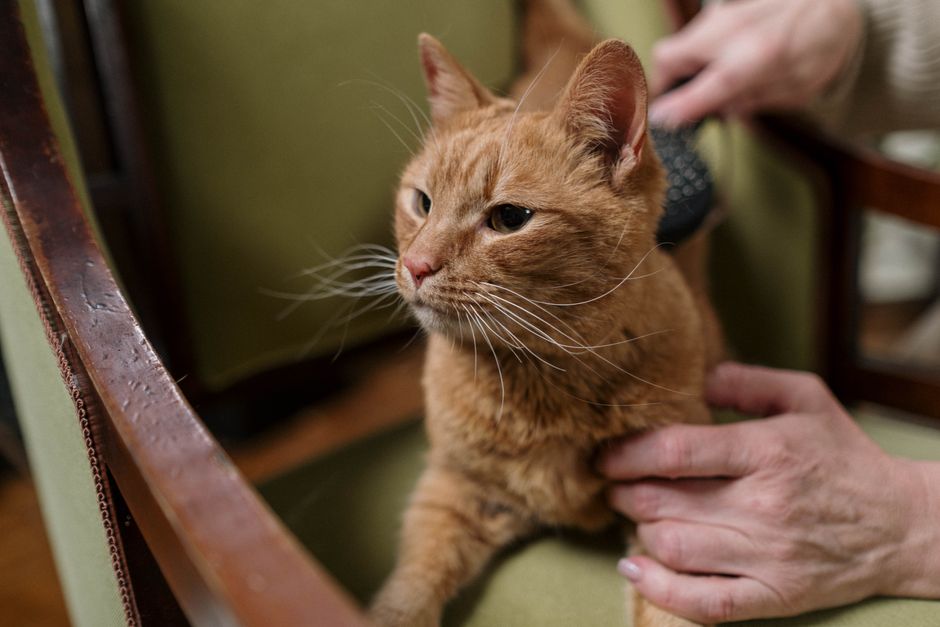
Adjustments around your home can also make daily life easier for your pet. Ramps or pet stairs can help dogs and cats access their favorite spots without jumping, while raised food and water dishes can reduce strain on the neck and shoulders. Keeping nails trimmed helps prevent slips, and regular grooming can reduce matting that makes movement more difficult.
When to Schedule a Veterinary Visit for Your Senior Pet
Knowing when to seek professional veterinary care is essential for maintaining your senior pet’s quality of life. If you notice a sudden change in mobility, persistent limping, or an unwillingness to get up, it is important to contact our veterinary team promptly. Additional warning signs that warrant an exam include noticeable swelling around the joints, persistent pain despite home care, or signs of neurological problems such as dragging a limb or loss of coordination.
Even if your pet’s symptoms seem mild, scheduling a comprehensive pet exam at Trigg County Veterinary Clinic allows our veterinarians to catch early changes before they become more severe. This proactive approach is especially important for pets with a history of joint problems or those on long-term medications.
If your pet experiences a sudden inability to walk, severe pain, or any other urgent issue, do not wait for a routine visit. Instead, contact us right away so we can provide guidance on next steps or recommend urgent care as needed.
Supporting Your Senior Pet All Winter Long
Caring for an aging dog or cat during cold Kentucky winters can feel daunting, but you are not alone in this journey. At Trigg County Veterinary Clinic, our veterinary professionals are committed to helping your senior pet thrive, no matter their age or mobility level. Regular check-ups, attentive home care, and timely intervention can help your companion remain comfortable and active as the seasons change.
When searching for a vet near me, it is important to choose a team that understands the unique needs of senior pets and offers comprehensive services tailored to their well-being. If you have questions about your pet’s joint health, need advice on home modifications, or are concerned about changes in mobility, we encourage you to reach out.
To schedule an appointment or discuss your concerns, call (270) 522-3404 or visit us at 81 Roger Thomas Road, Cadiz, KY 42211. Our compassionate veterinary team is here to guide you and your senior pet through a comfortable, healthy winter season.
This blog is intended for informational purposes only. Always consult your veterinarian for specific advice tailored to your pet’s health.