How to Keep Your Indoor Cat Healthy This Fall
How to Keep Your Indoor Cat Healthy This Fall
As the weather begins to cool and crisp autumn air settles over Cadiz, many cat owners wonder how they can best protect their indoor cats from seasonal health issues. Even though indoor cats are shielded from many outdoor hazards, the shift in temperature and daylight can still impact their wellbeing. At Trigg County Veterinary Clinic, located at 81 Roger Thomas Road, Cadiz, KY 42211, we know how important it is to keep your cat feeling their best year-round. This blog will guide you through common fall health concerns for indoor cats, help you spot early warning signs, and share expert advice for nutrition, enrichment, and preventive care. Whether you live in Cadiz or the surrounding communities, our veterinary team is here to help your cat thrive throughout the season. Plus, you’ll learn when it’s time to schedule a wellness examination or seek professional support for your feline companion.
Recognizing Fall Health Concerns in Indoor Cats
Although indoor cats avoid many of the dangers faced by their outdoor counterparts, seasonal changes can still affect their health and comfort. During fall, you might notice your cat behaving differently as temperatures dip and sunlight hours decrease. Some cats may become less active, while others develop subtle signs of illness or discomfort. Recognizing these changes early can help prevent more serious issues and ensure your cat stays happy and healthy.
Key symptoms that may indicate your indoor cat is struggling with fall-related changes include decreased appetite, increased hiding or lethargy, sneezing or nasal discharge, and changes in grooming habits. Dry indoor air from heating systems can also lead to itchy skin, dull coats, or increased shedding. If you observe sudden weight gain or loss, persistent vomiting, coughing, or any signs of labored breathing, it’s important to seek veterinary advice promptly.
Why Fall Brings Unique Challenges for Indoor Cats
As we transition from summer to fall in Western Kentucky, several factors can affect your cat’s health and behavior. Shorter days can influence your cat’s sleep patterns and energy levels, sometimes leading to mild seasonal depression or increased rest. The air inside your home may become drier as heaters run more frequently, contributing to skin and coat issues. Additionally, cooler temperatures may prompt your cat to seek out warmer napping spots, which could include unsafe places like laundry baskets or heat vents.
Another concern during fall is the increased risk of respiratory infections. Cats are susceptible to viruses and bacteria, especially if new pets or visitors come into the home. Holiday decorations, plants, and scented candles also become more common this time of year, and some of these can be harmful to cats if ingested or inhaled. Being aware of these seasonal changes allows you to proactively create a safe and comfortable environment for your indoor cat.
Maintaining Wellness Through Veterinary Care
Routine veterinary care is the foundation of your cat’s long-term health, especially as environmental conditions shift with the seasons. Scheduling a wellness examination for your indoor cat each fall helps catch any emerging issues early, provides an opportunity to discuss nutrition and lifestyle, and ensures your cat stays up-to-date on recommended vaccinations.
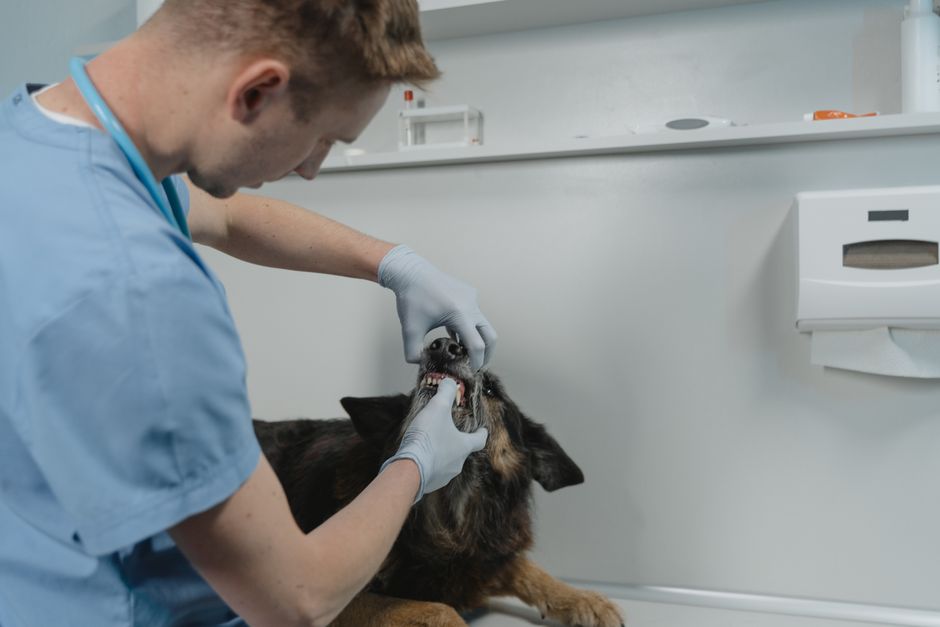
During a wellness exam, our veterinary team will assess your cat’s weight, body condition, dental health, and skin quality. We may recommend updating your cat’s vaccination services, even for indoor cats, to protect against airborne viruses or illnesses that can be carried in on shoes, clothing, or new pets. Fall is also a good time to discuss parasite prevention, as fleas and other pests can find their way indoors as temperatures drop.
Our veterinary professionals are available to answer your questions, tailor preventive care to your cat’s needs, and provide guidance on environmental enrichment and nutrition. Addressing minor concerns during a routine visit can help avoid more serious health problems down the road.
Enriching Your Cat’s Indoor Environment This Fall
Fall often means more time spent indoors, both for people and their cats. While your cat may already enjoy the safety of indoor life, it’s essential to keep their environment stimulating to prevent boredom and associated behavioral problems. Boredom and lack of exercise can contribute to weight gain, stress, and even destructive behaviors such as scratching furniture or over-grooming.
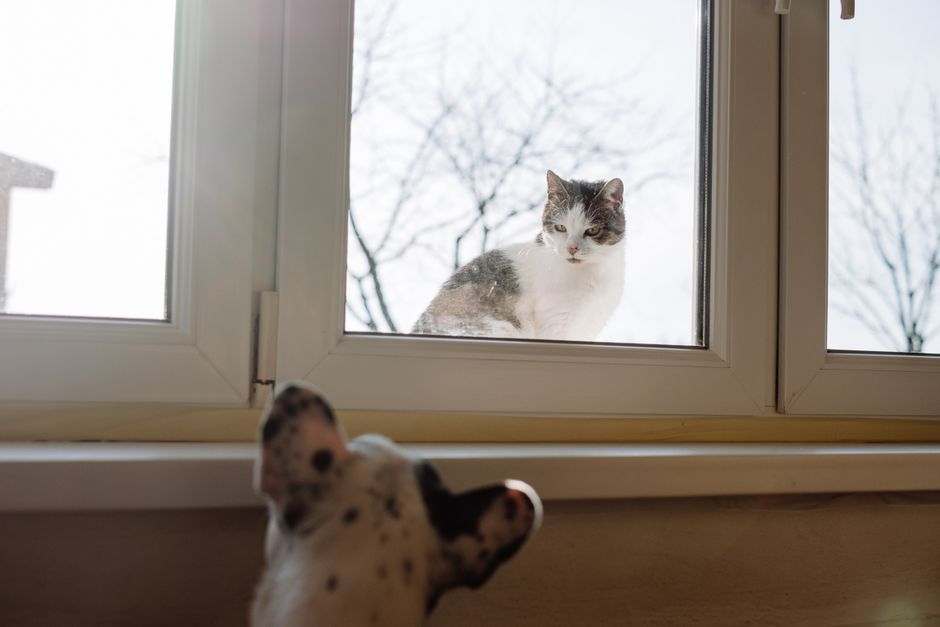
Enrichment strategies for fall include rotating your cat’s toys to keep them novel and interesting, creating cozy window perches for sunbathing and bird watching, and introducing puzzle feeders that encourage natural hunting instincts. Scratching posts and climbing trees give your cat opportunities for exercise and stress relief. Additionally, interactive play sessions provide physical activity and strengthen the bond between you and your cat.
Be mindful of changes in household routines during the fall, such as increased visitors or holiday gatherings, which can stress some cats. Providing safe, quiet spaces where your cat can retreat helps reduce anxiety. Remember, enrichment is not just about keeping your cat busy; it is about supporting their mental and emotional wellbeing.
Nutrition and Hydration During Cooler Months
As the weather turns cooler, it is important to monitor your cat’s nutrition and hydration closely. Some cats may eat more or less depending on activity levels and environmental temperature. Maintaining a healthy, balanced diet is key to preventing weight gain or loss during seasonal transitions.
Fresh water should always be available, and you may want to consider using a water fountain if your cat tends to drink less as the air becomes drier. Moist food options can also help support hydration. If you notice changes in your cat’s appetite, consult your veterinarian to rule out underlying health issues and to discuss appropriate dietary adjustments for the fall season.
Common Fall Skin and Coat Problems in Indoor Cats
Dry indoor air, increased shedding, and less exposure to sunlight can all contribute to skin and coat problems in indoor cats during the fall. Itchy skin, dandruff, or a dull coat are common complaints as heating systems begin to run regularly.
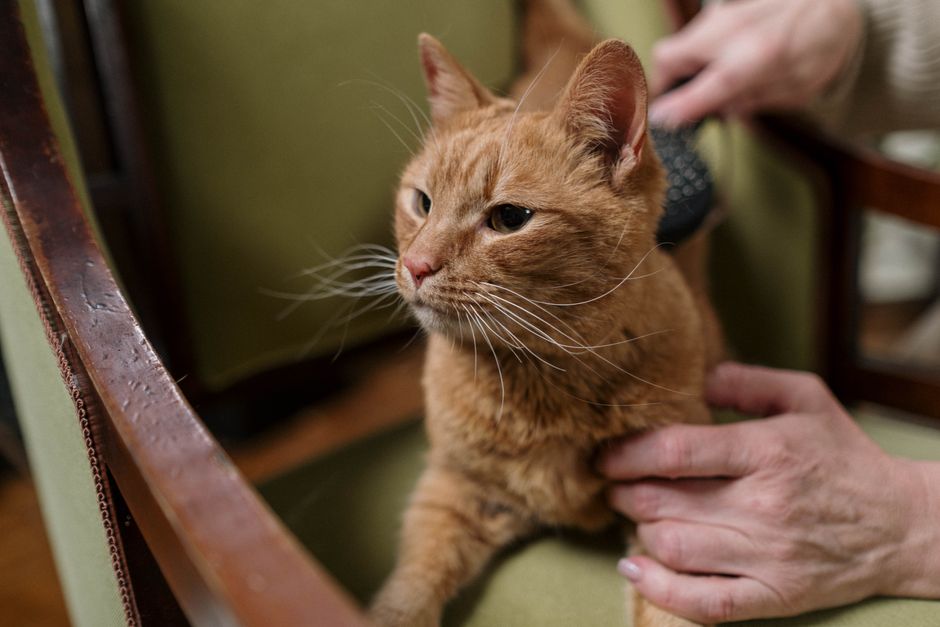
If your cat seems unusually itchy or has developed skin lesions, our team offers veterinary dermatology services to diagnose and treat skin conditions. Regular grooming helps remove loose hair and stimulates natural oils that keep your cat’s coat healthy. Brushing your cat more frequently during fall can minimize hairballs and support overall skin health. Always use cat-safe products and never apply human creams or medications without veterinary guidance.
When to Seek Veterinary Care for Your Indoor Cat
While many fall health concerns can be managed at home with environmental adjustments and routine care, some situations call for prompt veterinary attention. Warning signs that require a professional evaluation include persistent vomiting or diarrhea, sudden changes in weight, labored breathing, coughing, severe lethargy, or refusal to eat or drink for more than 24 hours.
Respiratory symptoms such as sneezing, runny nose, or watery eyes can indicate an upper respiratory infection, which is more common in fall and winter. If your cat’s symptoms worsen or fail to improve within a day or two, schedule an appointment promptly. The same applies to any sudden behavior changes or signs of pain, such as limping or vocalizing.
If you ever feel unsure about your cat’s health, our veterinary team in Cadiz is here to help. We encourage you to reach out with questions or concerns, as early intervention is often the key to successful treatment and a quick recovery.
Preparing for a Healthy Fall: Take Action Today
Protecting your indoor cat’s health this fall involves a combination of attentive home care, environmental enrichment, and regular veterinary checkups. By recognizing early signs of seasonal issues, maintaining a stimulating environment, and seeking timely professional care, you can help your cat enjoy a comfortable and vibrant season.
If it’s time for your cat’s fall wellness examination or you have questions about nutrition, vaccinations, or skin health, our veterinarians at Trigg County Veterinary Clinic are ready to support you. We welcome cat owners from Cadiz and surrounding communities to experience our compassionate, high-quality care. To schedule an appointment or speak with our veterinary team, call (270) 512-7839 or visit us at 81 Roger Thomas Road, Cadiz, KY 42211.
When searching for a vet near me, look for a practice that prioritizes your cat’s comfort, wellness, and ongoing preventive care. This fall, let us partner with you to keep your indoor cat healthy, happy, and thriving. For more information on any of our services or to book your next visit, explore our website or contact our team today.
This blog is for informational purposes only and should not be used as a substitute for professional veterinary advice. If your cat is experiencing urgent symptoms, please contact your veterinarian immediately.