
How to Prevent Ear Infections in Cats: Summer Tips

How to Prevent Ear Infections in Cats: Summer Tips from Trigg County Veterinary Clinic
As temperatures and humidity soar during Western Kentucky’s summer months, cat owners often find themselves wondering how to prevent ear infections in cats and keep their feline companions comfortable and healthy. Warm, muggy weather can create the perfect environment for ear problems, especially in Cadiz and surrounding communities where summer heat lingers well into August. At Trigg County Veterinary Clinic, our team of veterinarians sees an uptick in cats suffering from itchy, irritated ears when the weather turns hot and humid. In this blog, we’ll explain common causes of feline ear infections, ways to spot early signs, and, most importantly, practical strategies for keeping your cat’s ears healthy all season long. You’ll also learn when it’s time to schedule an appointment at our Cadiz location and how preventive care can make a difference for your cat’s comfort and wellbeing.
Recognizing the Signs of Ear Infections in Cats
Understanding how to prevent ear infections in cats starts with recognizing the symptoms early. Cats are often adept at hiding discomfort, so subtle changes can be easy to overlook. Typical signs of ear problems include frequent scratching at the ears, persistent head shaking, or tilting the head to one side. You may notice your cat rubbing its head against furniture or the floor, vocalizing more than usual, or appearing restless. On closer inspection, you might see redness, swelling, or a dark, waxy discharge inside the ear canal. An unpleasant odor, hair loss around the ear, and sensitivity when the ear is touched are also common.
While some cats show obvious signs, others might only display changes in behavior, such as decreased appetite or reluctance to be handled. Kittens and outdoor cats may be at higher risk due to increased exposure to ear mites, ticks, and environmental allergens. If you notice any of these symptoms, prompt attention can prevent the problem from worsening.
Why Do Ear Infections Occur in Cats?
Ear infections in cats, known medically as otitis externa, can develop for a variety of reasons, especially during the warm, humid summers in Western Kentucky. The most common culprits are ear mites, which are especially prevalent in kittens and outdoor cats. These tiny parasites cause intense itching and inflammation, making the ear vulnerable to secondary infections. Moisture trapped in the ear canal after bathing or exposure to rain can also promote bacterial and yeast growth; this is particularly true for cats with folded ears or those who enjoy exploring dewy grass in the early morning.
Other predisposing factors include underlying allergies to environmental substances such as pollen, mold, or dust. Food sensitivities can also trigger inflammation that makes the ear more susceptible to infection. Foreign objects like grass seeds or foxtails sometimes lodge in the ear canal, causing irritation. Less commonly, tumors or polyps within the ear can create chronic problems.
It’s important to note that cats are not as prone to ear infections as dogs, but when they do occur, they often signal an underlying health issue that needs to be addressed. Understanding the root cause is key to preventing recurrent problems, which is why a thorough examination and sometimes allergy testing are recommended.
Treating Ear Infections: What to Expect at the Veterinary Clinic
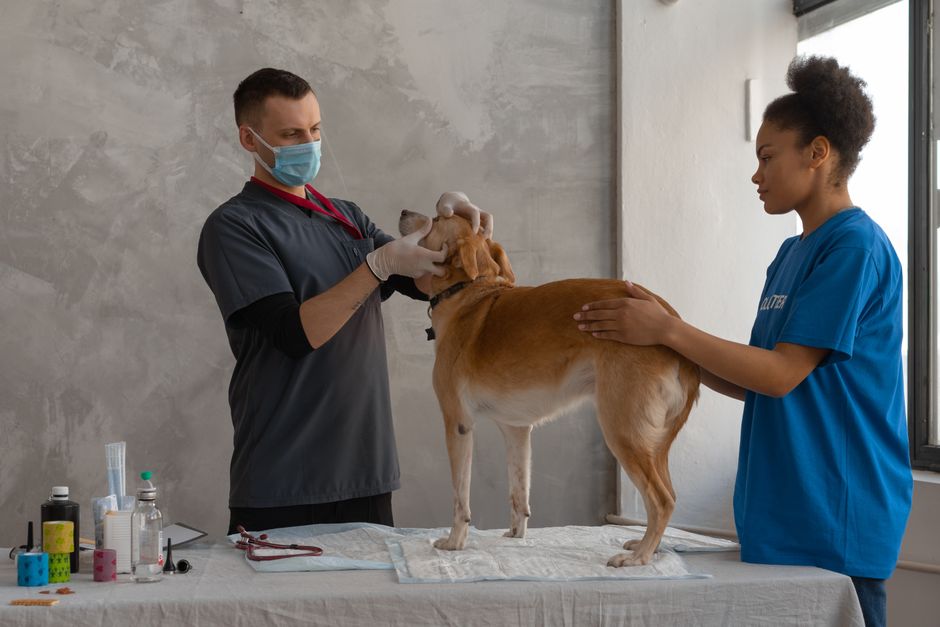
If your cat is showing signs of an ear infection, a visit to our veterinary team at Trigg County Veterinary Clinic is the best way to ensure a swift and complete recovery. During a comprehensive pet examination, our veterinarians will assess your cat’s ears using an otoscope, looking for signs of mites, infection, or foreign material. In some cases, a sample of ear debris may be examined under the microscope to identify bacteria, yeast, or parasites.
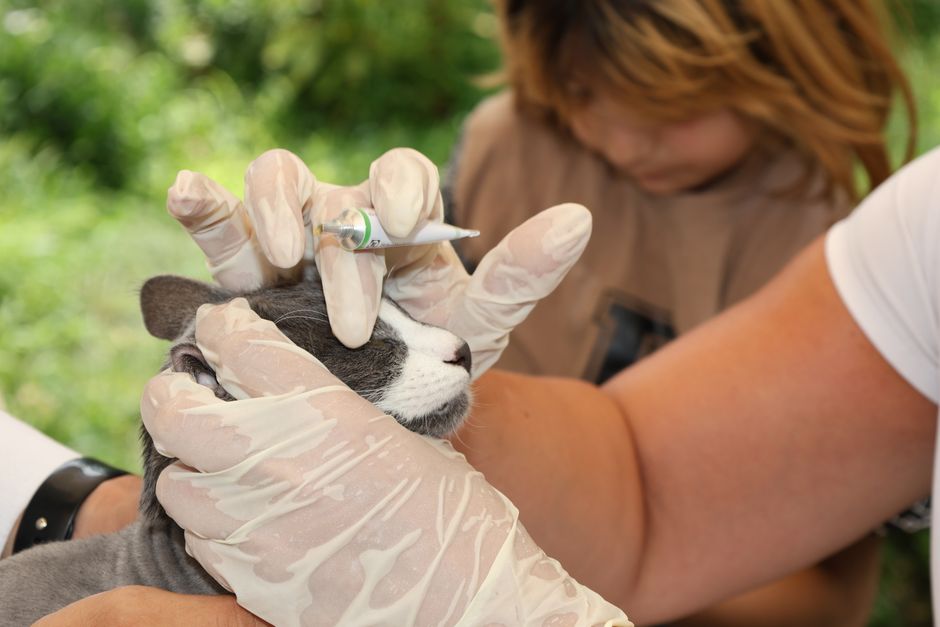
Treatment depends on the underlying cause. For ear mite infestations, our veterinarians will prescribe appropriate topical or oral medications to eliminate the parasites and soothe inflammation. If a bacterial or yeast infection is diagnosed, targeted ear drops or oral medications may be necessary. We often recommend gentle ear cleaning to remove wax and debris, which allows medications to reach infected tissue more effectively.
Cats with chronic or recurrent ear problems may require additional diagnostics, including allergy screening or imaging, to rule out polyps or tumors. Throughout treatment, we provide clear guidance on at-home care and schedule follow-up visits to monitor progress. Consistent and timely care helps ensure your cat’s ears heal completely and reduces the risk of long-term complications.
How to Prevent Ear Infections in Cats During Summer
Prevention is always better than cure, especially when it comes to your cat’s ear health. Understanding how to prevent ear infections in cats during the summer months requires a proactive approach tailored to your cat’s lifestyle and risk factors.
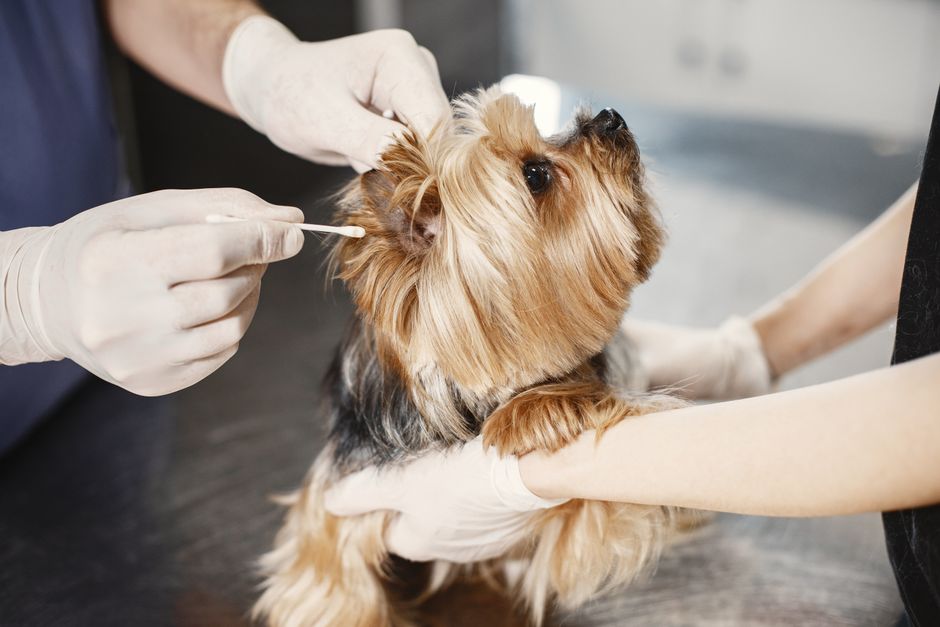
Start by keeping your cat’s ears dry and clean. After bathing your cat or if your feline enjoys supervised outdoor time, gently dry the ears with a soft cloth. Avoid getting water inside the ear canal whenever possible, as lingering moisture encourages yeast and bacteria to flourish. Regularly inspect your cat’s ears for signs of redness, wax buildup, or odor. If your cat is prone to waxy ears, discuss safe ear cleaning techniques with our veterinary team; improper cleaning can push debris deeper or cause injury.
Managing parasites is another key step. Use veterinarian-recommended flea and tick preventatives, especially for outdoor cats or those who interact with other animals. Ear mites can be a persistent problem, so routine checks and prompt treatment are crucial, particularly in multi-cat households.
Addressing allergies is vital for cats with a history of ear inflammation. Our allergy testing services help identify triggers, allowing for targeted management. Keeping your home clean, minimizing exposure to dust and pollen, and feeding a high-quality diet can all support your cat’s overall health and resilience.
For cats with chronic or recurring ear problems, scheduling regular dermatology consultations at our clinic provides ongoing support and monitoring. Early intervention often means shorter, less intensive treatment and a happier, more comfortable cat throughout the summer.
When to Schedule a Veterinary Appointment
Even with the best preventive care, some cats will develop ear infections that require professional attention. You should schedule an appointment at Trigg County Veterinary Clinic if your cat shows persistent scratching, head shaking, redness, discharge, or an unpleasant odor from the ears. Severe cases may involve loss of balance, walking in circles, or visible swelling around the ear flap, all of which warrant urgent evaluation.
If you have tried at-home cleaning and your cat’s symptoms persist or worsen, or if you are unsure about the proper cleaning technique, our veterinary professionals are here to help. Cats with chronic health issues, such as allergies or immune compromise, should have their ears checked more frequently during the summer months.
Prompt veterinary care not only relieves discomfort but also prevents complications like ruptured eardrums or hearing loss. When you search for a veterinarian near me in Cadiz or surrounding communities, you want a team that offers compassionate, thorough care tailored to your cat’s needs. That is exactly what you will find at Trigg County Veterinary Clinic.
Supporting Your Cat’s Health All Year Long
Keeping your cat’s ears healthy during Cadiz’s hot, humid summer doesn’t have to be a challenge. By knowing how to prevent ear infections in cats, monitoring for early signs, and working closely with our veterinary team, you can help your cat enjoy a comfortable and itch-free season. Remember, regular ear checks, parasite control, and a clean environment are essential steps in prevention. If you notice any concerning symptoms or want guidance on the best preventive strategies for your cat, do not hesitate to reach out.
Our dedicated team of veterinarians at Trigg County Veterinary Clinic is committed to supporting your cat’s health through every season. To schedule a wellness examination or discuss your cat’s ear care, call us at (270) 522-3404 or visit us at 81 Roger Thomas Road, Cadiz, KY 42211. For expert advice and peace of mind, trust our veterinary clinic whenever you need a veterinarian near me. Your cat’s comfort and wellbeing are always our top priorities.