Skin Irritation in Dogs: How to Soothe Fall Allergies

Skin Irritation in Dogs: How to Soothe Fall Allergies
As autumn arrives in Cadiz and the crisp Kentucky air brings a fresh change in scenery, many dog owners find themselves facing an unexpected challenge—sudden bouts of scratching, licking, or hair loss in their pets. The fall season often brings relief from summer heat, but it can also trigger skin irritation and allergies in dogs. If you have noticed your dog scratching more than usual, licking their paws, or developing patches of red or flaky skin, you are not alone. At Trigg County Veterinary Clinic, located at 81 Roger Thomas Road, Cadiz, KY 42211, we understand how concerning it is to see your pet uncomfortable. This blog will help you recognize the signs of fall allergies in dogs, explore why they happen, share effective home care strategies, and explain when it is time to schedule an appointment with our veterinary team. With our comprehensive approach to skin health, you can help your pet stay comfortable and happy all season long.
Recognizing Fall Skin Allergies in Dogs
Skin allergies in dogs often become more apparent as the seasons change, especially during the fall. Key symptoms include frequent scratching or biting at the skin, excessive licking—especially of the paws—redness, rashes, hair loss, and scabby or flaky skin. Some dogs may develop ear infections or have an unpleasant odor due to secondary skin infections. You might notice your dog rubbing their face on carpeting or furniture, rolling more often in the grass, or simply acting restless because of constant itchiness. In addition to these classic signs, watch for areas of thickened skin, hot spots that appear suddenly, or swelling around the eyes and muzzle. These symptoms can vary in intensity; some dogs may only have mild irritation, while others can develop severe discomfort that interferes with daily life.
When these symptoms arise in early autumn, it is natural to suspect a connection to changing environmental conditions. If your dog’s skin seems more sensitive after being outside or following a walk through fallen leaves, seasonal allergies are a likely culprit. While occasional scratching is normal, persistent or worsening symptoms should prompt a closer look—and possibly a visit to your local veterinary clinic.
Why Do Dogs Get Skin Irritation in the Fall?
Understanding why your dog develops skin irritation during the fall starts with looking at what changes outdoors this time of year. In Western Kentucky, fall brings a surge in airborne allergens such as ragweed, mold spores from decaying leaves, and dust that can accumulate in homes as windows are closed against cooler weather. Dogs are often exposed to these allergens on their daily walks, during outdoor play, or simply by spending time in the yard.
Environmental triggers are not the only cause. Dogs with underlying atopic dermatitis or sensitivities to certain foods can experience flare-ups as their immune system reacts to new allergens. Additionally, as the air becomes drier with cooler temperatures, your dog’s skin may lose moisture, making irritation and itching worse. Fleas are another year-round concern; even in autumn, flea bites can cause intense itching and secondary infections, especially for dogs with flea allergy dermatitis.
Some breeds are more susceptible to skin allergies, including retrievers, terriers, and bulldogs, but any dog can be affected. Genetics, age, and overall health can influence how your pet’s immune system reacts to allergens. If your dog has a history of allergies or has previously experienced skin problems in the fall, they may be more likely to show symptoms again this season.
Professional Treatment and Support from Your Veterinary Team
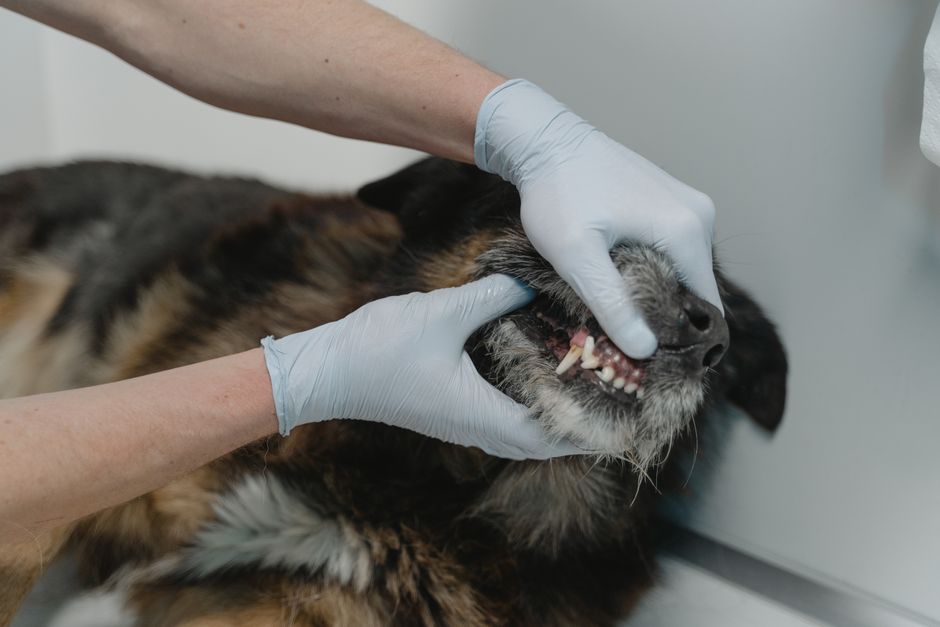
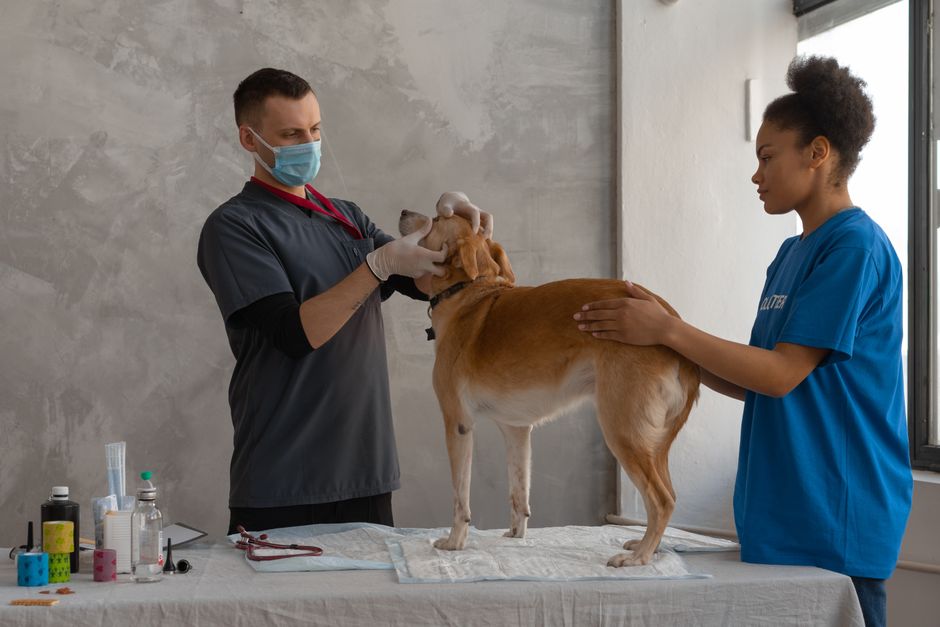
When your dog is suffering from persistent skin irritation or allergies, seeking professional veterinary care is essential. The team at Trigg County Veterinary Clinic offers a thorough approach to diagnosing and treating skin problems in dogs. During a comprehensive examination, our veterinarians will assess your dog’s skin and coat, ask about their recent activities, and discuss any changes in diet or routine. Diagnostic testing, such as skin scrapings, cytology, or allergy testing, can help identify the underlying cause of your dog’s discomfort. For many pets, pinpointing the specific allergen is the key to finding relief.
Treatment approaches involve several options depending on the severity and source of the allergy. These may include topical medicated shampoos or sprays to soothe irritated skin, oral antihistamines or anti-inflammatory medications to reduce itching, and prescription diets if food sensitivities are suspected. In cases where secondary bacterial or yeast infections are present, antibiotics or antifungal medications may be recommended. For dogs with ongoing or severe allergies, our veterinarians may suggest veterinary allergy testing services to develop a more targeted treatment plan.
Skin conditions can sometimes be complicated or chronic, so ongoing support is vital. Our veterinary dermatology care services are designed to help manage even the most stubborn skin problems, from seasonal allergies to more complex autoimmune conditions. With expert guidance and regular follow-up, most dogs can achieve significant relief and return to their normal routines.
Home Care Tips for Managing Fall Allergies
While professional treatment is crucial for moderate to severe cases, many owners can help manage mild seasonal allergies at home. Steps include wiping your dog’s paws and coat with a damp cloth after outdoor walks to remove pollen, dust, or mold spores. Bathing your dog with a gentle, hypoallergenic shampoo can provide relief and help wash away allergens, but avoid over-bathing, as it can dry out the skin further. Regular brushing removes dead hair, dander, and debris, promoting a healthy skin barrier.
Keeping your home environment clean is also important. Vacuuming carpets, washing bedding, and using air purifiers can reduce indoor allergens. Consider limiting your dog’s outdoor time during peak pollen hours, especially on dry, windy days. Ensuring your pet has a balanced diet rich in omega-3 fatty acids can support skin health and reduce inflammation. If your dog is prone to licking or scratching certain areas, using an Elizabethan collar or protective clothing can prevent further self-trauma while the skin heals.
It is always best to discuss any at-home remedies with your veterinarian before starting them, as some products or methods may not be appropriate for all dogs. If your dog’s symptoms do not improve with basic care, or if you notice any signs of infection such as pus, foul odor, or spreading redness, reach out to your veterinary team for further guidance.
When to Schedule a Veterinary Visit
Knowing when to seek professional help can make a significant difference in your dog’s comfort and long-term health. You should schedule an appointment if your dog’s itching is constant or severe, if you see hair loss or raw spots, or if home care does not lead to improvement within a week. Additional warning signs include open sores, bleeding, swelling, persistent ear infections, or changes in behavior such as lethargy or loss of appetite. Dogs with a history of allergies that worsen each fall should also be evaluated, as their treatment plan may need to be adjusted for the season.
Prompt veterinary attention ensures that your dog receives the right diagnosis and treatment, preventing complications like secondary infections or chronic skin changes. Our wellness and medical examinations provide a thorough evaluation of your pet’s overall health and allow our veterinarians to tailor recommendations to your dog’s unique needs. Early intervention is the best way to keep your dog happy, healthy, and itch-free this fall.
Supporting Your Dog’s Skin Health in Cadiz and Beyond
Autumn in Cadiz and surrounding communities is a beautiful time of year, but it does come with unique challenges for dogs prone to skin irritation and allergies. By staying alert to the signs of discomfort, taking preventive steps at home, and working closely with your veterinary team, you can help your pet enjoy the season without the misery of constant itching. At Trigg County Veterinary Clinic, our veterinarians are committed to providing compassionate, expert care for your dog’s skin health, from routine checkups to advanced allergy management.
If you are searching for a reliable "vet near me" to address your dog’s fall skin allergies, our team is here for you. Schedule an appointment at 81 Roger Thomas Road, Cadiz, KY 42211 by calling (270) 512-3404, and let us help your pet find relief this season. For more information about allergy testing or dermatology care, explore our veterinary allergy testing services and veterinary dermatology care pages. Your dog’s comfort and wellbeing are our top priorities every step of the way.