Protecting Your Herd: Preventing Heat Stress in Western Kentucky Livestock
Protecting Your Herd: Preventing Heat Stress in Western Kentucky Livestock
As the summer sun intensifies across Western Kentucky, livestock producers face a critical seasonal challenge: protecting herds from heat stress. July’s humid conditions in Cadiz and surrounding communities can quickly put cattle, sheep, and goats at risk, threatening not only animal health but also productivity and profitability. At Trigg County Veterinary Clinic, located at 81 Roger Thomas Road, Cadiz, KY 42211, our veterinary team is here to help you recognize early warning signs, understand the science behind heat stress, and implement practical strategies to keep your herd thriving all summer long. In this guide, you’ll learn how to spot the subtle signs of heat stress, what environmental and management factors put your operation at risk, and proven prevention methods tailored for livestock in our region. We’ll also cover when it’s time to call your local veterinary professionals for support, ensuring your herd stays healthy through the hottest months of the year.
Recognizing Heat Stress in Your Herd
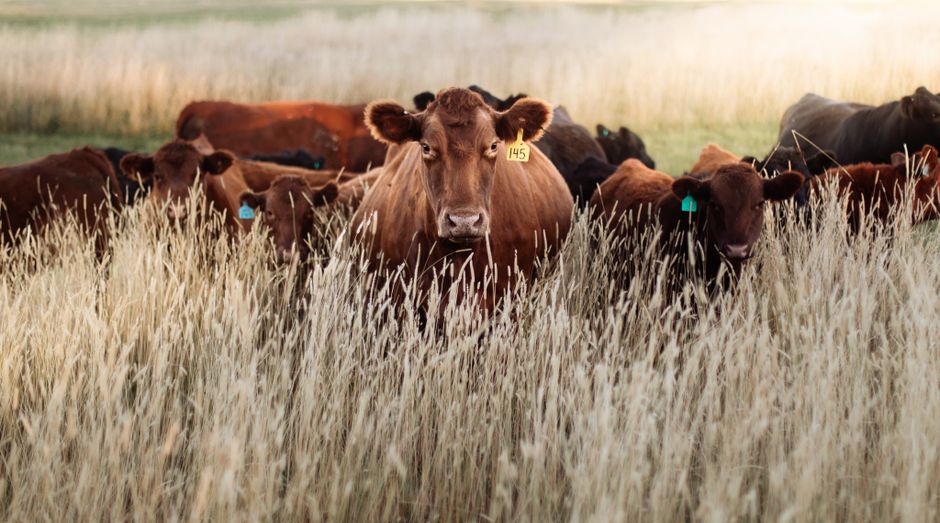
Understanding when heat stress is affecting your cattle, sheep, or goats starts with close observation. Early signs can be subtle, but prompt recognition is key to preventing more serious health problems. For cattle, symptoms include increased respiratory rate, open-mouth breathing, excessive drooling, reduced feed intake, and a tendency to crowd around water sources or shade. Sheep and goats may show similar changes, such as rapid breathing, panting, restlessness, and seeking out cooler areas in the pasture or barn. In all species, you might notice decreased grazing, lower milk production in lactating animals, and, in severe cases, stumbling or collapse.
It’s important to keep in mind that heat stress can escalate quickly, especially during periods of high humidity when animals are less able to cool themselves through normal means. Watching for these signs during the heat of the day, particularly in the afternoon, can help you intervene before serious health issues develop.
Why Heat Stress Occurs: The Science Behind the Risk
Western Kentucky’s summer climate creates a perfect storm for heat stress in livestock. Hot days are often compounded by high humidity, which limits your animals’ ability to cool themselves through evaporation. Cattle are particularly vulnerable due to their large body size and relatively low heat dissipation efficiency, but sheep and goats are not immune, especially when their fleece or coats are full.
Environmental factors play a significant role. Limited access to shade, crowded holding areas, and poor ventilation in barns or sheds can all amplify the risk. Water availability is another crucial factor; when animals can’t access clean, cool water freely, their internal temperatures can rise dangerously. Additionally, dark-colored animals, those with heavy muscling, and breeds not adapted to hot climates are more likely to suffer from heat-related problems.
Producers should also be mindful of routine practices that may inadvertently increase risk. Handling, transporting, or performing procedures such as dehorning or vaccinations during peak heat increases stress levels and can push animals over the threshold into dangerous territory.
Treatment and Management of Heat-Stressed Livestock
If you suspect that animals in your herd are suffering from heat stress, immediate action is essential to prevent long-term consequences or fatalities. Move affected animals to a shaded area or an environment with improved airflow as soon as possible. Encourage them to drink cool, clean water, as rehydration is critical in reversing the effects of overheating.
In some situations, spraying cattle or small ruminants with cool (not cold) water can aid in lowering their body temperature, but this should be done carefully to avoid shocking the animal’s system. Fans or misters in barns can also be helpful if they are available. Avoid any unnecessary handling, as movement and excitement can further elevate body temperature.
Professional veterinary intervention may be required if animals do not recover promptly, show signs of disorientation, collapse, or have difficulty rising. Heat stress can lead to secondary complications such as pneumonia, metabolic imbalances, and kidney failure, so early treatment is important. The veterinary team at Trigg County Veterinary Clinic is equipped to assess the severity, provide supportive care, and recommend ongoing management tailored to your operation.
Practical Prevention: Keeping Your Herd Cool All Summer
Prevention is always the most effective strategy when it comes to heat stress. Producers in Cadiz and the broader Western Kentucky region can take several proactive steps to safeguard their cattle, sheep, and goats during hot weather. Ensuring ample access to natural or artificial shade is a cornerstone of prevention; trees, shade cloths, or constructed shelters can all provide relief from the sun. Strategic placement of water troughs in shaded areas encourages animals to drink more frequently.
Ventilation in barns and holding pens is vital. Open-sided structures, fans, and even temporary windbreaks can help keep air moving. During peak heat, consider adjusting the timing of routine tasks such as moving, sorting, or working animals to cooler parts of the day, typically early morning or late evening. Shearing sheep before the onset of extreme heat can also reduce risk.
Nutrition plays a supporting role; feeding higher-quality, more digestible forages can reduce the heat generated during digestion, and providing mineral supplements ensures animals are better able to cope with stress. Monitoring body condition and adjusting rations as needed can further support resilience during prolonged hot spells.
When to Call Your Veterinarian: Professional Support for Heat Stress
Despite the best prevention efforts, some situations call for prompt veterinary assessment. Producers should contact their veterinarian if animals show severe symptoms such as persistent open-mouth breathing, drooling, inability to stand, or signs of shock. Early veterinary intervention improves outcomes and can prevent losses in the herd.
It’s wise to schedule a routine herd health check as summer approaches, particularly if your operation has a history of heat stress issues or includes animals at higher risk, such as older, very young, pregnant, or chronically ill individuals. The Trigg County Veterinary Clinic team is available to help you develop a customized heat stress management plan, assess your facilities for shade and ventilation adequacy, and offer advice on nutrition and hydration strategies.
While our team’s expertise covers a broad range of livestock health issues, we always encourage producers to reach out when in doubt. When a situation seems urgent or you are unsure whether your animal’s condition is heat-related, do not hesitate to consult your veterinarian.
Supporting Your Herd in the Western Kentucky Heat
Summer heat in Western Kentucky is more than just an inconvenience; it’s a significant animal welfare and operational concern for livestock producers. By learning to recognize early signs of heat stress, understanding the contributing factors, and implementing practical prevention strategies, you can help your herd withstand even the hottest July days. Remember that the veterinary professionals at Trigg County Veterinary Clinic are committed to supporting your operation, whether you need advice on heat stress management or an urgent evaluation of an at-risk animal.
If you are searching for a veterinarian near me who understands the unique challenges of livestock production in Cadiz and the surrounding communities, our team is ready to assist. Schedule an appointment for a herd health consultation by calling (270) 522-3404, or visit us at 81 Roger Thomas Road, Cadiz, KY 42211. Proactive veterinary care is the best investment you can make in your herd’s summertime health and productivity.
This article is for informational purposes only and should not substitute for personalized veterinary advice. Always consult your veterinarian for concerns about your herd’s health or when urgent care is needed.