September Dental Care Tips for Cats and Dogs

September Dental Care Tips for Cats and Dogs
As the crisp days of September arrive in Western Kentucky, many pet owners start thinking about seasonal check-ups and routines that keep their cats and dogs healthy. One area that often gets overlooked, however, is dental care. At Trigg County Veterinary Clinic, located at 81 Roger Thomas Road, Cadiz, KY 42211, we understand how important your pet’s oral health is to their overall wellbeing. Dental disease can develop quietly, causing discomfort and potentially leading to serious health issues if not addressed. This blog will guide you through the key signs of dental problems in cats and dogs, explain why dental care is essential, and offer practical tips for supporting your pet’s dental health at home and with professional cleanings. We’ll also highlight how our veterinary team can help prevent dental disease through services tailored for pets in Cadiz and surrounding communities. If you have questions about your pet’s dental needs, our team is here to help you schedule a comprehensive wellness examination or professional dental cleaning.
Recognizing Dental Problems in Cats and Dogs
Dental disease in pets often begins subtly, making it easy to miss until it becomes advanced. Recognizing the early warning signs can help you intervene before your pet experiences pain or more serious health complications. Common symptoms that may indicate dental issues include persistent bad breath, red or swollen gums, visible tartar buildup on the teeth, and reluctance to eat hard food or chew on toys. You might also notice your cat or dog pawing at their mouth, drooling more than usual, or showing signs of discomfort when you touch their face or mouth.
In some cases, dental disease leads to behavioral changes. Your pet may become irritable or withdrawn, avoid play that involves their mouth, or show decreased appetite. For cats, grooming habits may decline, resulting in a messy coat. In dogs, you might see them dropping food from their mouth or favoring one side while chewing. While these signs are not exclusive to dental disease, they are important clues that your pet’s oral health may need attention.
What Causes Dental Disease in Pets?
Understanding the underlying causes of dental disease can empower pet owners to take proactive steps. Most dental problems in cats and dogs begin with the accumulation of plaque, a soft, sticky film of bacteria that forms on the teeth after meals. If plaque is not regularly removed through brushing or professional cleanings, it hardens into tartar, which is much more difficult to remove without veterinary intervention.
Tartar buildup irritates the gums, leading to gingivitis and, eventually, periodontal disease. This progressive condition affects the tissues and bone that support the teeth, potentially resulting in tooth loss and chronic pain. Factors contributing to dental disease include breed predispositions, age, diet, and lack of routine home care. Small dog breeds and some cats are especially prone to dental issues due to the shape of their mouths and crowded teeth.
Dental disease does not just affect the mouth; bacteria from infected gums can enter the bloodstream, potentially impacting the heart, liver, and kidneys. This systemic risk makes dental health a crucial component of your pet’s overall wellness, not just a matter of fresh breath.
Professional Dental Treatment and What to Expect
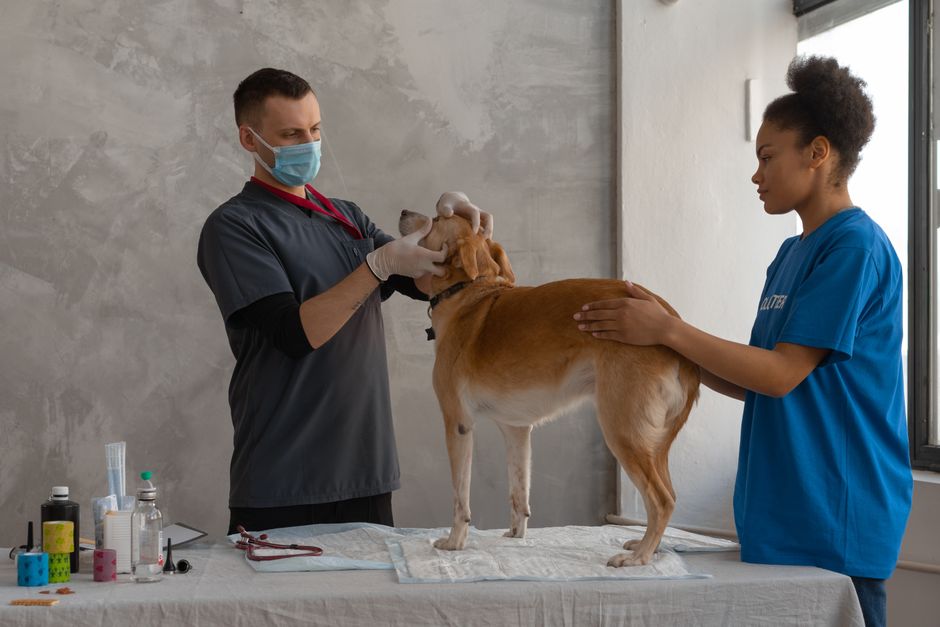
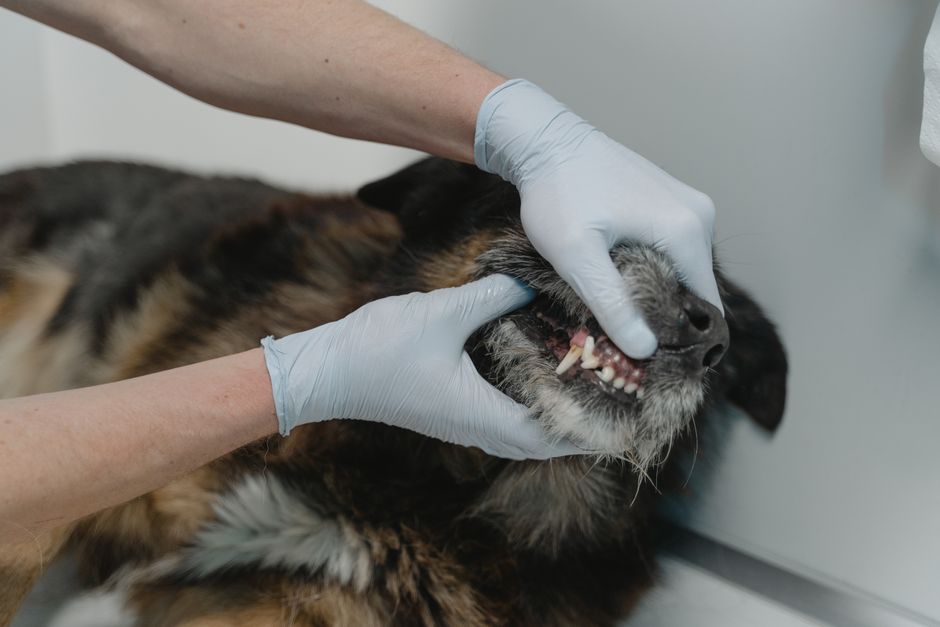
Veterinary dental care plays a vital role in managing and preventing dental disease in your pets. At Trigg County Veterinary Clinic, our team of veterinarians is trained to identify dental issues during your pet’s routine wellness examination. If dental disease is detected, we may recommend a professional pet dental cleaning under anesthesia. This allows us to safely and thoroughly clean above and below the gumline, removing stubborn tartar and polishing the teeth to slow future plaque buildup.
During the procedure, we carefully examine each tooth for signs of disease or damage. If we discover severely damaged or infected teeth, a pet tooth extraction may be necessary to relieve pain and prevent further health issues. Our veterinary professionals use advanced monitoring and gentle techniques to ensure your pet’s safety and comfort throughout any dental procedure.
After a professional cleaning, you will receive guidance on home dental care and a plan for follow-up evaluations. Routine dental cleanings not only address existing issues but also help prevent the progression of dental disease, saving you from more costly treatments down the line.
Home Dental Care: Keeping Your Pet’s Smile Healthy Year-Round
While professional dental cleanings are essential, your daily care at home is just as important in maintaining your pet’s oral health. Regular tooth brushing is the gold standard for removing plaque and preventing tartar buildup. Using a pet-safe toothbrush and toothpaste, aim to brush your cat or dog’s teeth several times a week. Some pets may take time to adjust to tooth brushing, so patience and positive reinforcement are key.
In addition to brushing, offering dental chews, treats, or toys designed to reduce plaque can support oral hygiene. Look for products approved by the Veterinary Oral Health Council (VOHC) for added peace of mind. Feeding your pet a balanced diet and avoiding sticky, sugary treats can also help protect their teeth.
Remember, while dental rinses or water additives can be helpful, they should not replace brushing or professional cleanings. If your pet resists home care or you are unsure how to start, our veterinary team is happy to provide personalized guidance during your next visit.
When to Schedule a Veterinary Dental Check
Knowing when to seek professional help is essential for your pet’s comfort and long-term health. If you notice symptoms such as persistent bad breath, bleeding gums, loose teeth, difficulty eating, or swelling around the mouth, it is time to schedule a veterinary dental evaluation. Pets showing signs of pain, such as reluctance to let you touch their mouth or sudden changes in appetite, should be seen promptly.
Even if your cat or dog does not have visible symptoms, annual dental check-ups are recommended. These visits allow our veterinarians to catch early signs of disease and recommend preventive care tailored to your pet’s needs. In some cases, more frequent dental assessments may be necessary, especially for senior pets or those with a history of oral health problems.
Never attempt to remove tartar or loose teeth at home, as this can cause pain and injury. Instead, trust the expertise of your veterinary professionals to provide safe, effective care.
Supporting Your Pet’s Dental Health in Cadiz and Beyond
At Trigg County Veterinary Clinic, we are passionate about providing comprehensive dental care for cats and dogs in Cadiz and surrounding communities. Our veterinary team combines advanced technology with compassionate, individualized attention to ensure every pet receives the best possible care. From preventive dental guidance to thorough cleanings and extractions, we partner with pet owners to preserve your pet’s comfort and quality of life at every stage.
If you are searching for a veterinarian near me to help with dental care or have concerns about your pet’s oral health, we invite you to contact our clinic. Scheduling a professional pet dental cleaning or wellness examination is one of the most valuable steps you can take to protect your pet’s health this fall and throughout the year.
To book an appointment or learn more about our dental services, call (270) 522-3404 or visit us at 81 Roger Thomas Road, Cadiz, KY 42211. Our veterinary professionals are here to support your pet’s healthy smile every season. If you ever have questions or concerns about dental care, do not hesitate to reach out for expert advice and compassionate care.
This article is intended for educational purposes only and should not be used as a substitute for professional veterinary advice. Always consult your veterinarian with specific questions about your pet’s health.